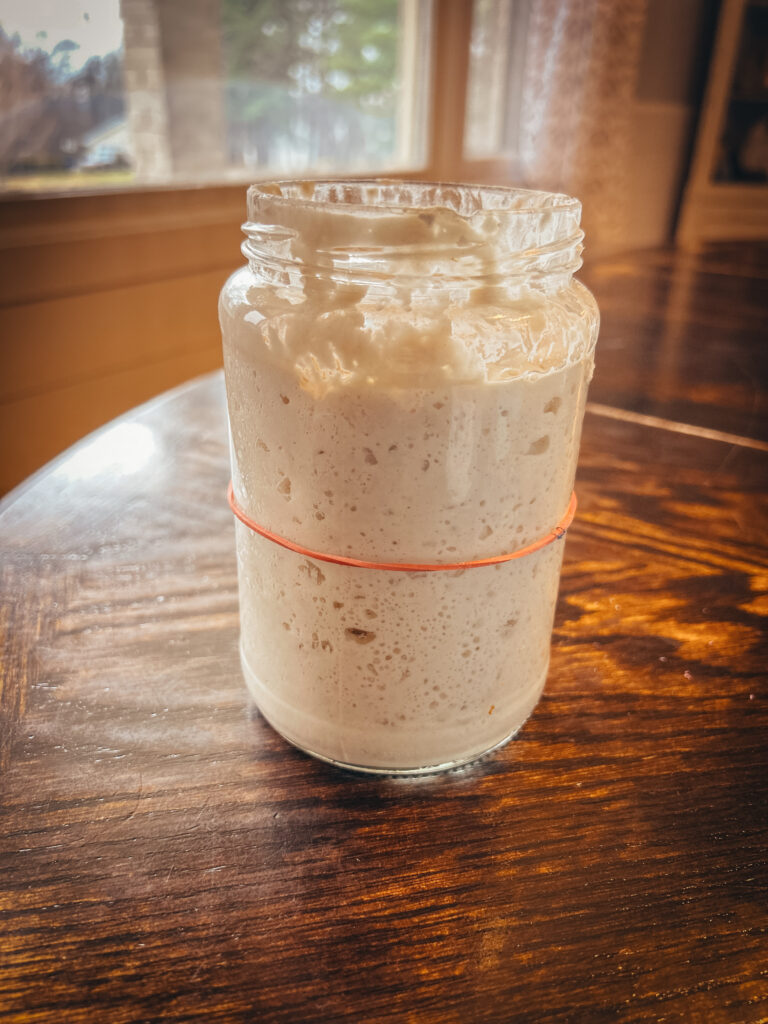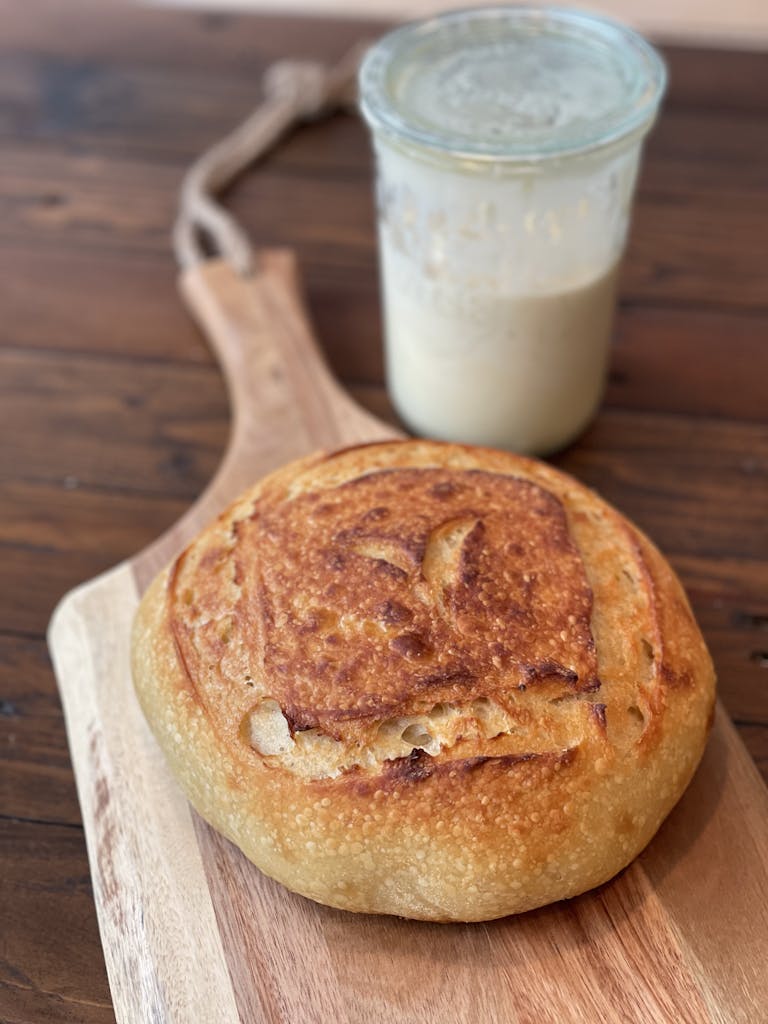
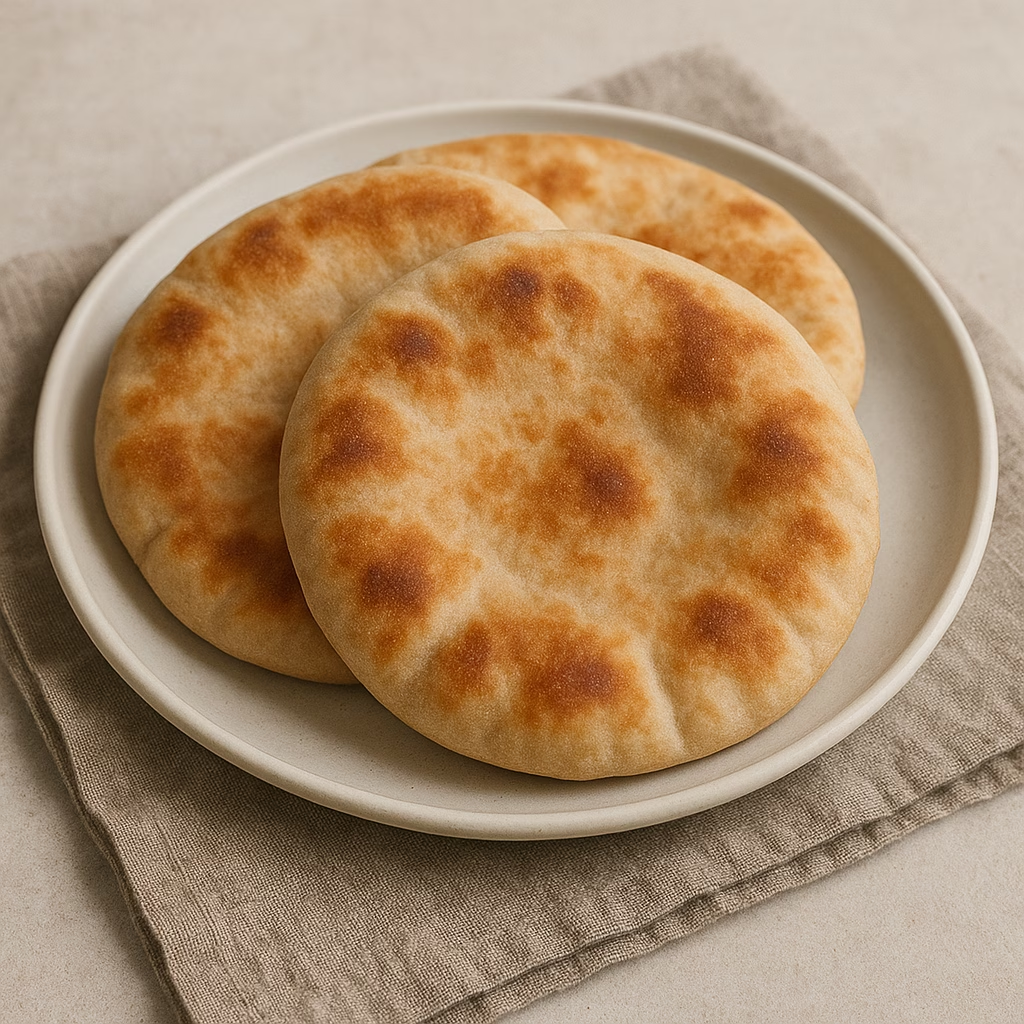
If you’re searching for a soft, chewy, and flavorful homemade flatbread that doesn’t require a long fermentation process, this easy sourdough flatbread recipe is exactly what you need. Whether you’re working with sourdough discard or an active sourdough starter, this is a great go-to recipe for busy weeknights or fun family dinners. Think naan bread or pita bread— but fresher, more flavorful, and made in your own kitchen!
Why You’ll Love This Easy Recipe
This sourdough flatbread is made with simple ingredients you likely already have in your pantry—all-purpose flour, water, salt, and either sourdough discard or an active starter. It requires no oven and no long fermentation time. You’ll simply mix, rest, roll, and cook on a hot skillet or frying pan. Perfect for wraps, dipping in soup, or pairing with sour cream and herbs for a delicious side dish!
Ingredients
- 1 cup active sourdough starter (or sourdough discard flatbread works too)
- 2 cups all-purpose flour
- 1/2 cup warm water (room temperature)
- 2 tbsp olive oil (plus more for greasing)
- 1 tsp sea salt
- 1 tbsp melted butter (optional, for brushing cooked flatbreads)
Equipment
- Large mixing bowl or stand mixer with dough hook attachment
- Dough whisk or wooden spoon
- Bench scraper (optional)
- Greased bowl
- Plastic wrap or damp towel
- Lightly floured surface
- Hot skillet, hot pan, or frying pan
- Baking sheet (optional for keeping warm)
- Airtight container for storage
Instructions
1. Mix the Dough
In a large bowl, combine the sourdough starter (or discard), warm water, olive oil, and sea salt. Stir with a wooden spoon or dough whisk.
Add the all-purpose flour gradually until a shaggy dough forms.
2. Knead the Dough
Turn the dough onto a lightly floured surface and knead for 5–7 minutes until smooth. Or, use a stand mixer with a dough hook attachment for 4–5 minutes.
3. Let the Dough Rest
Transfer the dough to a greased bowl. Cover with plastic wrap or a damp towel and let it rest in a warm place for 1–2 hours. This dough doesn’t need a long fermentation process, just enough time to become elastic and soft.
4. Divide into Equal Pieces
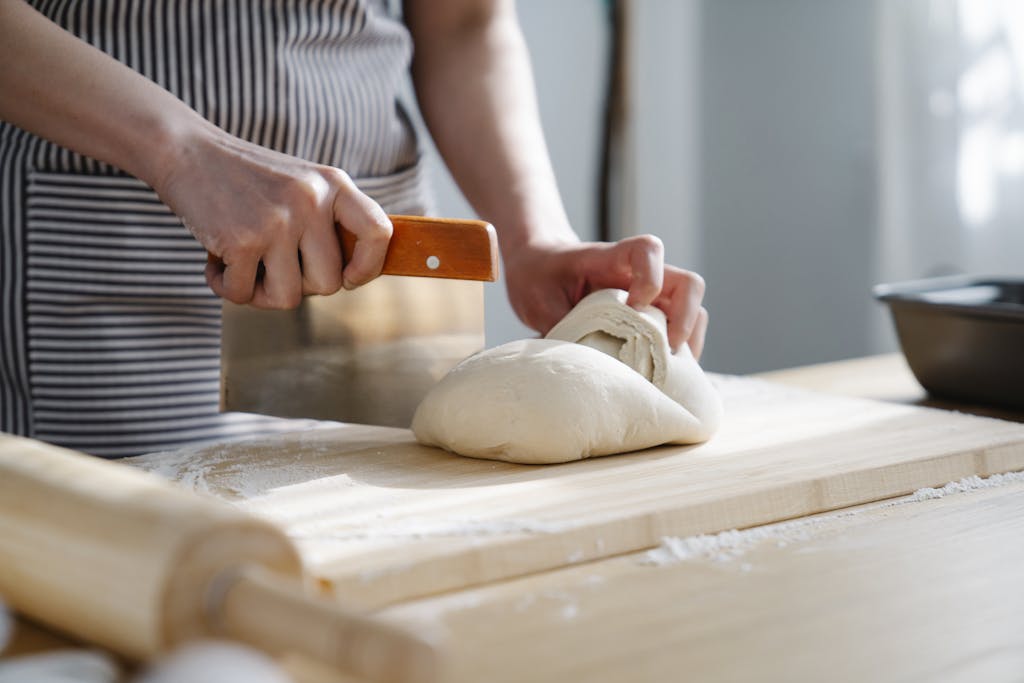
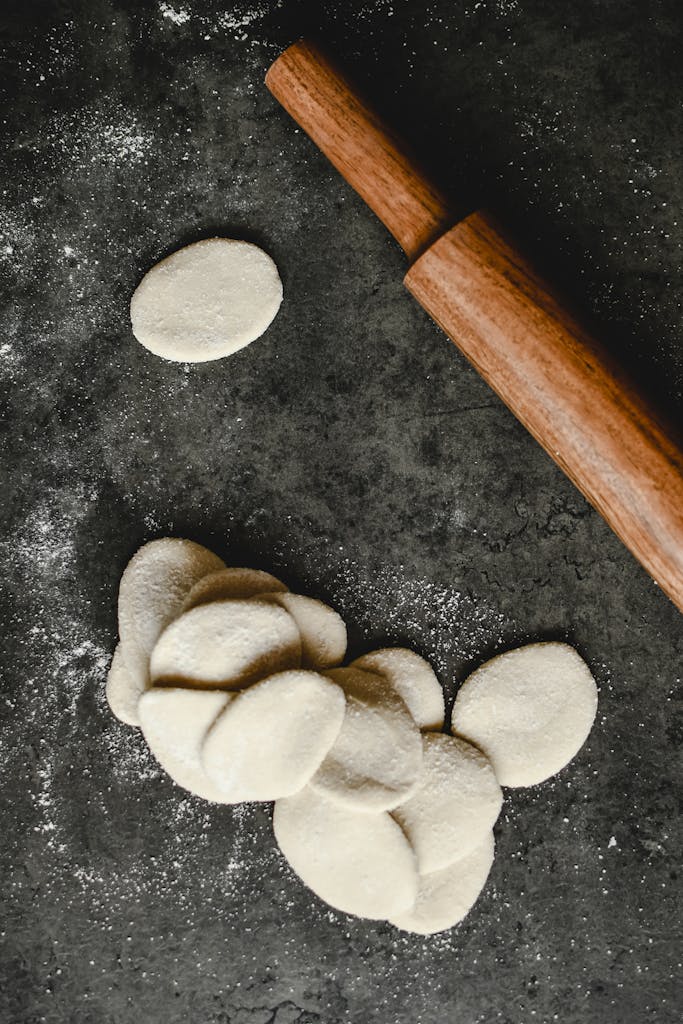
Use a bench scraper to divide the dough into 6–8 equal pieces. Shape each into a dough ball and let rest for 15 minutes.
5. Roll into Flatbreads
On a lightly floured surface, roll each dough ball into a perfect circle about 1/4 inch thick.
6. Cook the Flatbreads
Heat a hot skillet or frying pan over medium heat. No oil needed. Cook each flatbread for 1–2 minutes per side until golden brown with light bubbles.
Place cooked flatbreads on a baking sheet and cover with a towel to keep warm.
7. Optional Finishing Touch
Brush with melted butter and a sprinkle of sea salt or herbs. Serve warm with sour cream, hummus, or your favorite toppings.
Storage Tips
Store leftover flatbreads in an airtight container at room temperature for up to 3 days or freeze for later.
Sourdough Beginners, This One’s for You!
If you’re new to baking with sourdough, this easy sourdough flatbread recipe is the perfect way to build confidence. You’ll get the health benefits of sourdough—like better digestion and nutrient absorption—without the stress of baking a crusty loaf or managing a long fermentation process.
More Ways to Enjoy Your Fresh Bread
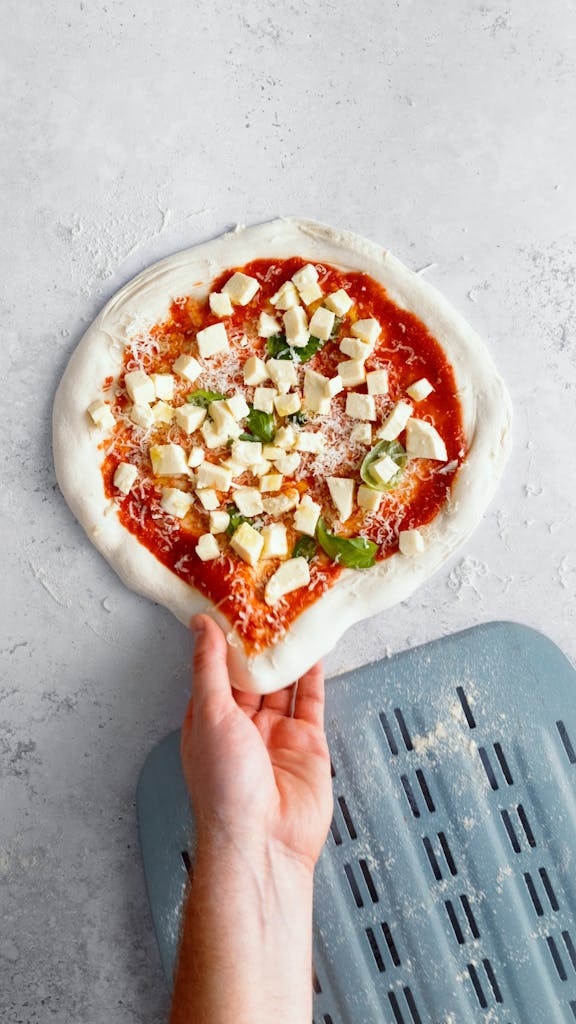
These homemade flatbreads can double as pita bread or naan bread, be turned into wraps, or used as pizza bases. The possibilities are endless!
The Health Benefits of Sourdough for Your Whole Family
Sourdough is more than just a baking trend—it’s a time-tested, nourishing way to enjoy bread with significant health benefits for the whole family. Thanks to the natural fermentation process, sourdough becomes easier to digest than conventional breads. The wild yeast and lactobacilli bacteria in an active sourdough starter help to break down gluten and phytic acid, both of which can cause digestive discomfort in some individuals. This makes sourdough an excellent choice for families with sensitive tummies or those who find traditional yeasted breads hard to digest. Additionally, the slow fermentation unlocks nutrients like B vitamins, folate, and minerals such as iron, magnesium, and zinc, making these nutrients more bioavailable for your body to absorb. For parents trying to give their children real, wholesome food, sourdough recipes offer a great starting point. The lower glycemic index of sourdough bread can also help balance blood sugar levels—ideal for helping kids avoid the energy spikes and crashes that come with processed white breads and sugary snacks. Choosing sourdough isn’t just about flavor or texture (though those are incredible); it’s a thoughtful way to nourish your family with food that supports gut health, immunity, and long-lasting energy.
Another major benefit is that sourdough requires only simple ingredients—flour, water, and salt—yet it produces complex, deeply satisfying results. This transparency in ingredients helps eliminate the additives and preservatives commonly found in store-bought breads. If you’re a mom or dad aiming to reduce processed food in your home, learning how to use your sourdough discard or active starter to create staples like flatbread, pancakes, muffins, and pizza dough can help you feel empowered in the kitchen. It’s not about perfection—it’s about intention. Making sourdough part of your regular meal plan can also save money over time. Once your starter is thriving, you don’t need to purchase yeast or specialty bread mixes, and you can batch-make doughs to freeze or refrigerate for future meals. With inflation rising and grocery prices higher than ever, cutting back on convenience foods while improving your family’s nutrition is a major win.
Sourdough as a Fun, Memory-Making Family Tradition
Beyond its health benefits, sourdough can also become a treasured tradition in your home—something that brings everyone into the kitchen, sparks curiosity, and creates lasting memories. There’s something deeply grounding and peaceful about mixing a dough by hand, watching it rise, and transforming it into something warm and nourishing. For kids, it’s like edible science! Watching the bubbles form in the starter, learning to shape a dough ball, or flipping a flatbread on a hot skillet can all become part of a fun learning experience. You can even turn it into a homeschool lesson—discussing the chemistry of fermentation, writing journal entries about your starter’s progress, or graphing how much your dough rises. If you’re a homeschooling or intentional parenting family, sourdough offers a great way to combine life skills with quality time.
Check out our blog post on how to start your own sourdough bread here!
Baking sourdough recipes together—like this easy flatbread—doesn’t have to be complicated. Even little ones can help stir, sprinkle flour, or brush butter onto warm cooked flatbreads. You can make it even more special by naming your starter together (yes, many sourdough bakers give their starters names!) and marking its “birthday.” Celebrate milestones like the first successful bake, the fluffiest rise, or the first recipe made only with discard. These small moments matter. For families looking to slow down and reconnect, spending a Saturday morning making fresh bread instead of scrolling through devices or running errands can shift the atmosphere in your home. It’s a way to model patience, care, and creativity—all through something as humble as flour and water.
Plus, the versatility of sourdough baking means there’s always something new to try. Whether it’s cinnamon swirl bread, sourdough banana muffins, sandwich bread, or crackers, there’s something to match every skill level and appetite. If you want to make it even more interactive, you can let your kids choose what recipe to try each week. Over time, you’ll build not only a collection of recipes but also a collection of memories—floury countertops, warm kitchens, and happy faces around the table.
Sourdough Recipes for Busy Lives: Easy, Versatile, and Worth the Effort
Many people assume sourdough is too time-consuming for everyday life, but it can actually be a lifesaver for busy families. When you understand how to work sourdough into your schedule, it becomes a rhythm—not a chore. Most sourdough recipes, like the flatbread shared above, are incredibly forgiving and adaptable. You can mix the dough the night before, let it rest in the fridge, and roll it out for a quick lunch or dinner the next day. Flatbreads are especially helpful because they cook quickly in a hot pan and don’t require baking or proofing in special conditions. They’re also incredibly flexible—you can top them with anything you have on hand: leftovers, cheese, herbs, or even fruit and honey for a sweet version. They’re great for building make-your-own flatbread bars at dinnertime, which kids absolutely love.
Using discard is another major perk of sourdough baking. Instead of tossing it, turn that discard into something amazing. Sourdough discard flatbread, crackers, pancakes, or quick muffins all help stretch your ingredients and make mealtime easier. Plus, discard recipes often require no rise time and minimal prep. It’s a smart, low-waste way to make the most of what you’ve already cultivated. For families trying to be more mindful of food waste or cooking on a budget, discard recipes are game-changers.
Finally, the satisfaction of serving your family warm, fresh bread made with your own two hands is unlike anything else. In a world filled with rush and artificial everything, sourdough reminds us to slow down, to nourish, and to enjoy. Whether it’s flatbread with dinner, sourdough waffles for breakfast, or homemade sandwich bread for school lunches, you’re doing more than just feeding your family—you’re building traditions, creating connection, and filling your home with the smells and tastes of real food. Once you experience that, sourdough won’t just be something you do—it’ll be something you love.