This easy rustic sourdough rye bread recipe combines the rich, earthy flavor of rye flour with the tang of natural fermentation. With simple ingredients and step-by-step instructions, it’s the perfect artisan loaf for sandwiches, soups, or everyday slicing.
When I first started baking with sourdough, I stuck to the basics—good old purpose flour and white flour loaves. They’re reliable, soft, and delicious, perfect for daily use. But every once in a while, I crave something with a deeper, more complex flavor, something a little heartier—something like a good rye sourdough bread. This easy rustic sourdough rye bread recipe is exactly that. It’s wholesome, flavorful, and perfect for sandwiches or just slicing and slathering with butter.
Even if it’s your first time working with rye, don’t be intimidated. Rye flour is a little different than what you’re used to—it’s got a lower gluten content, which means the dough can feel a bit more like a wet dough, and it won’t stretch or rise quite the same way as a typical white loaf. But trust me, the nice rise and nutty flavor of a great rye bread are totally worth it. If you need a sourdough starter- check out our recipe here.

What Makes Rye Flour Special?
Rye is a grain that’s rich in nutrients, fiber, and flavor. It contains more soluble fiber than wheat and helps with digestion and blood sugar regulation. Because of its less gluten, rye bread tends to be denser than traditional white loaves, but that’s part of its charm. The texture is soft yet chewy, and the taste is slightly tangy with a robust earthiness you won’t find in other sourdough recipes.
This rye sourdough bread includes a blend of fine rye flour, bread flour, and whole wheat flour, giving it structure while still letting that classic rye character shine.
Where to Get Rye Flour
You can usually find fine rye flour—sometimes labeled as light rye—at natural food stores, co-ops, or online retailers like Bob’s Red Mill, Azure Standard, or King Arthur Baking Company. Make sure you’re using finely milled rye flour for the best results; coarse rye or pumpernickel flour will affect the texture.
Ingredients
- 55 grams active sourdough starter
- 280 grams warm water (about 80–85°F is ideal room temperature)
- 15 grams honey
- 100 grams fine rye flour
- 260 grams bread flour
- 40 grams whole wheat flour
- 7 grams fine sea salt
Instructions
- Mix the Dough
In a large bowl, stir together the active sourdough starter, warm water, and honey until the starter is mostly dissolved. Add the rye flour, bread flour, and whole wheat flour. Mix until no dry bits remain. The dough will feel sticky and slightly heavy—rye flour absorbs water differently and results in a wet dough.
Let it rest for 30 minutes to 1 hour. This dough rest (also known as autolyse) helps the flours hydrate and start developing flavor.
- Add the Salt
Sprinkle the salt over the dough and gently knead it in using wet hands to prevent sticking. You can use a dough hook on a stand mixer if you prefer, but I often just work it gently on a work surface using a bench scraper. - Bulk Fermentation
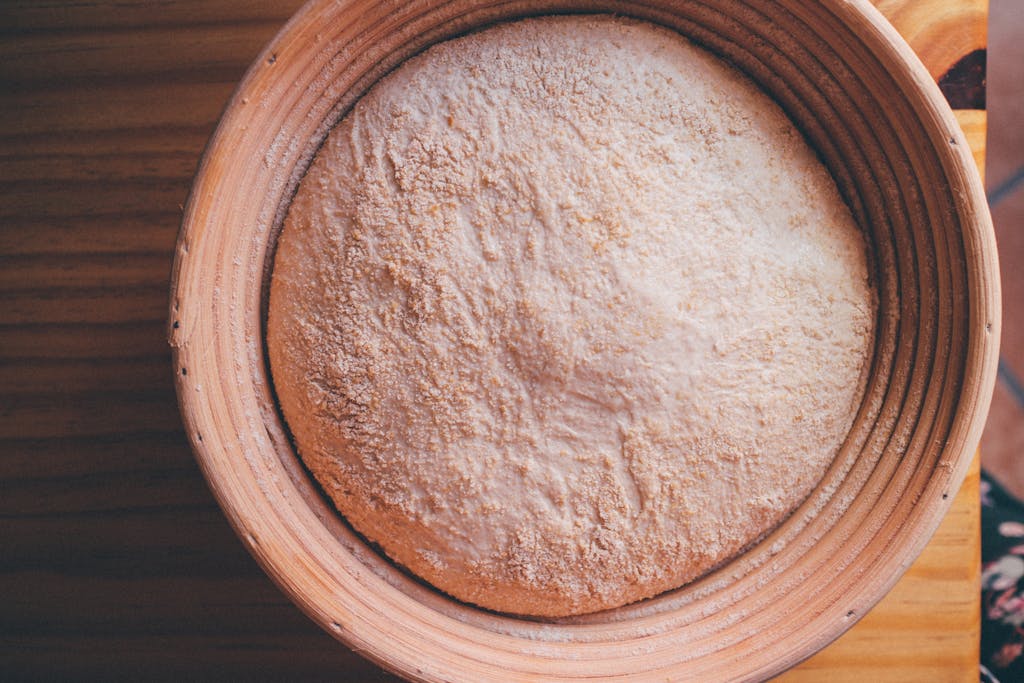
Cover the bowl with plastic wrap or a damp towel and let it rise in a warm spot for 4–6 hours, giving it a few stretch-and-folds during the first couple of hours. You’re looking for the dough to become puffier, smoother, and more elastic. If you’re using a proofing basket, this is where you prep it with flour. - Shape and Second Rise
Once the dough rise is complete, turn it out onto a floured surface, shape it into a round or oval loaf, and place it into a floured proofing basket or loaf pan for the second rise (1–2 hours at room temp or overnight in the fridge for baking the next day). - Preheat and Bake
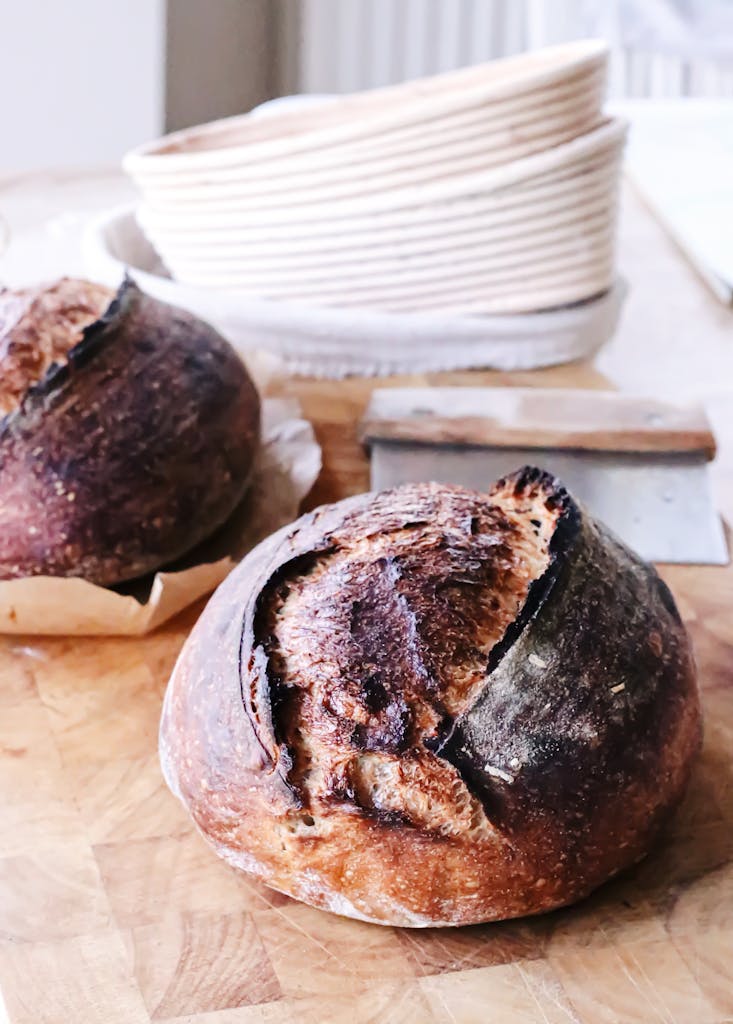
Preheat your oven to 475°F with a dutch oven inside for at least 30 minutes. When ready, place your dough on a piece of parchment paper, score the top of the loaf, and carefully lower it into the dutch oven.
Bake covered for 20 minutes, then lower the oven temperature to 430 degrees, uncover and bake for another 20–25 minutes until the loaf is deep brown and crisp. Remove and cool on a wire rack before slicing. It is important to allow the bread to cool for at least 40 minutes before slicing, or the bread will be gummy inside.
Why I Keep Rye on Hand
I don’t bake rye every week, but I always like having some fine rye flour in my pantry. It’s one of those things you don’t realize you’re missing until you taste it again—especially when you’re craving a good sandwich. This loaf makes the perfect base for avocado and egg, smoked turkey and mustard, or even a grilled cheese with caramelized onions. It’s that artisan bread touch that levels up an ordinary lunch.
Why I Love Rye Flour with Sourdough
There’s something so special about pairing rye flour with sourdough. While I usually stick to traditional white or whole wheat in most of my sourdough recipes, rye brings a flavor and texture that stands out in the best way. It’s earthy, slightly tangy, and deeply satisfying—especially when paired with the natural fermentation of a good active sourdough starter.
Rye flour works beautifully in sourdough because it naturally boosts fermentation. It’s rich in enzymes and nutrients that support wild yeast activity, which means your dough often rises a little more predictably and develops that signature sour flavor with ease. That’s a win, especially if you’re new to sourdough or working in a cooler kitchen where dough temperature might fluctuate.
Another thing I love is the versatility. A good rye sourdough loaf makes the perfect base for both sweet and savory toppings. It’s my go-to bread for sandwiches with sharp cheeses, pickled veggies, or hearty meats. But it also holds up beautifully to just a simple swipe of butter and jam.
Yes, rye has less gluten and makes for a stickier, wetter dough—but once you get the feel for it, the reward is worth every bit of the mess. The finished loaf has a complex flavor, a chewy crumb, and a rustic crust that just feels like it came from a cozy artisan bakery.
So if you’ve never baked with rye flour, I really encourage you to try it. Even just swapping a portion of your bread or purpose flour with rye in your next loaf can add depth and warmth that will surprise you—in the best way.
Recipes That Go Perfectly With Rye Bread
- Hearty Lentil Soup
- Chicken or Tuna Salad
- Pickled Veggie Sandwiches
- Roasted Beet & Goat Cheese Toast
- Classic Reuben Sandwich
- Tomato Basil Soup
- Egg Salad with Dill and Paprika
This sourdough rye recipe is one of my favorites for chilly days, picnic lunches, or when I want something a little different from the usual. I hope you give it a try and enjoy the grounding, earthy flavor that rye dough brings to the table.
For our favorite basic sourdough recipe- check our the blog post here!
Easy Rustic Sourdough Rye Bread Recipe
Ingredients
- 55 grams active sourdough starter
- 280 grams warm water
- 15 grams honey
- 100 grams fine rye flour
- 260 grams bread flour
- 40 grams whole wheat flour
- 7 grams fine sea salt
Instructions
- Mix the DoughIn a large bowl, stir together the active sourdough starter, warm water, and honey until the starter is mostly dissolved. Add the rye flour, bread flour, and whole wheat flour. Mix until no dry bits remain. The dough will feel sticky and slightly heavy—rye flour absorbs water differently and results in a wet dough.Let it rest for 30 minutes to 1 hour. This dough rest (also known as autolyse) helps the flours hydrate and start developing flavor.Add the SaltSprinkle the salt over the dough and gently knead it in using wet hands to prevent sticking. You can use a dough hook on a stand mixer if you prefer, but I often just work it gently on a work surface using a bench scraper.Bulk FermentationCover the bowl with plastic wrap or a damp towel and let it rise in a warm spot for 4–6 hours, giving it a few stretch-and-folds during the first couple of hours. You’re looking for the dough to become puffier, smoother, and more elastic. If you’re using a proofing basket, this is where you prep it with flour.Shape and Second RiseOnce the dough rise is complete, turn it out onto a floured surface, shape it into a round or oval loaf, and place it into a floured proofing basket or loaf pan for the second rise (1–2 hours at room temp or overnight in the fridge for baking the next day).Preheat and BakePreheat your oven to 475°F with a dutch oven inside for at least 30 minutes. When ready, place your dough on a piece of parchment paper, score the top of the loaf, and carefully lower it into the dutch oven.Bake covered for 20 minutes, then uncover and bake for another 20–25 minutes until the loaf is deep brown and crisp. Remove and cool on a wire rack before slicing.Allow to cool completely for 40 minutes, otherwise the bread will be gummy.