Reading is such an exciting milestone in your homeschool journey! Watching your kindergartener take those first steps toward reading can be both thrilling and a little nerve-wracking. But don’t worry—reading readiness doesn’t happen overnight, and every child moves at their own pace. The good news is that there are plenty of simple, fun ways to help them build the skills they need to make reading easier and more enjoyable.

Signs Your Kindergartener is Ready to Read
Every young learner progresses at their own pace, but here are some common signs that your child is ready to start learning to read:
- Recognizes Letters – Can identify most uppercase and lowercase letters.
- Understands Letter Sounds – Knows that letters make specific sounds.
- Shows Interest in Books – Enjoys being read to and follows along with pictures.
- Pretend Reading – Holds books and “reads” them by telling a story based on the pictures.
- Recognizes Rhyming Words – Can identify rhyming words in songs and nursery rhymes.
- Understands Basic Print Concepts – Knows how to hold a book correctly and that words are read from left to right.
- Can Identify Their Own Name – Recognizes their name in print and may attempt to write it.
Is your child showing some or all of these signs, then get ready to begin this fun reading journey!
Activities to Build Reading Readiness
Before you jump into a formal reading curriculum, focus on playful, hands-on activities that encourage literacy development. By starting with these activities, you will be giving your young readers a strong foundation that will help develop confident readers.
1. Read Aloud Daily
Reading to your child is the most important thing you can do to foster a love of reading.

- Picture books with repetitive phrases
- Rhyming books (e.g., Dr. Seuss stories)
- Simple nonfiction books about animals, weather, or everyday life
- Bible stories to introduce faith-based reading
Encourage your child to ask questions, predict what will happen next, and retell the story in their own words. And remember this isn’t an activity that has to stop when your children learn to read. I promise that even your older children will LOVE a good read aloud!
2. Play Phonemic Awareness Games
Phonemic awareness is the ability to hear and manipulate sounds in words. These simple activities can strengthen this skill:
- Rhyming Games – Say a word and ask your child to come up with a rhyming word.
- Beginning Sound Sorts – Sort objects or pictures by their beginning sounds (e.g., cat, cup, and car all start with C).
- Clap Out Syllables – Say a word and clap for each syllable (e.g., bas-ket-ball = three claps).
- I Spy with Sounds – Play a game of “I spy something that starts with the /b/ sound.”
Remember these activities are not about matching the letters with sounds. These activities focus on your child’s ability to manipulate the sounds that they HEAR not the letters they see.
3. Letter Recognition and Formation
Help your child become familiar with the letters of the alphabet and their sounds through hands-on activities:
- Alphabet Puzzles and Flash cards – Use tactile letters to help with recognition.
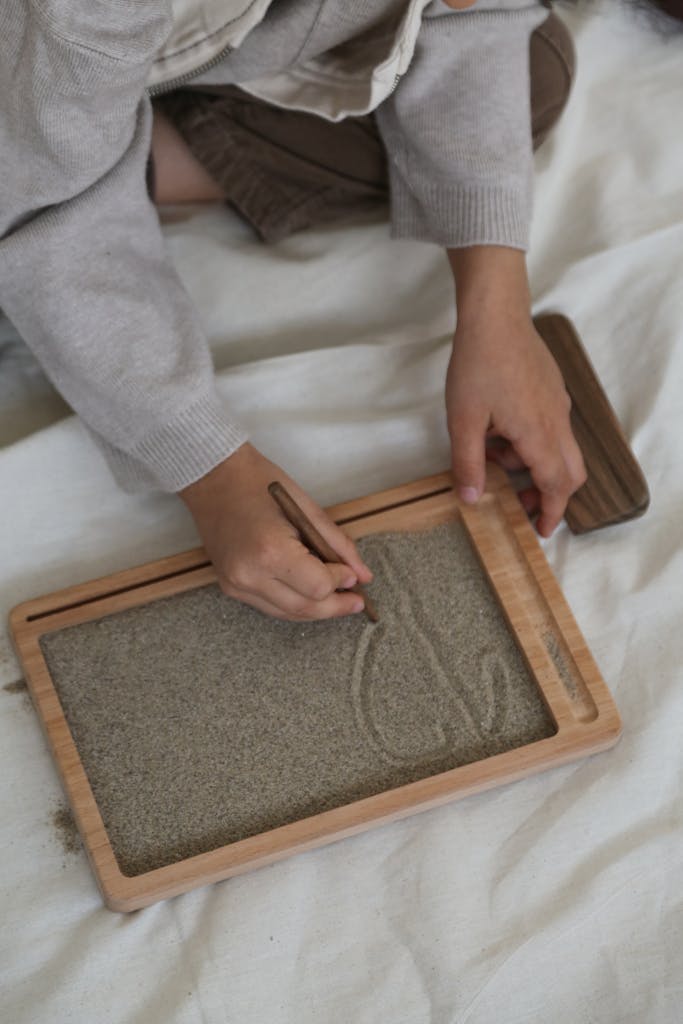
- Tracing and Writing – Use dry-erase boards, sand trays, or shaving cream for letter formation practice.
- Alphabet Crafts – Create a craft for each letter (e.g., making a paper plate apple for the letter A).
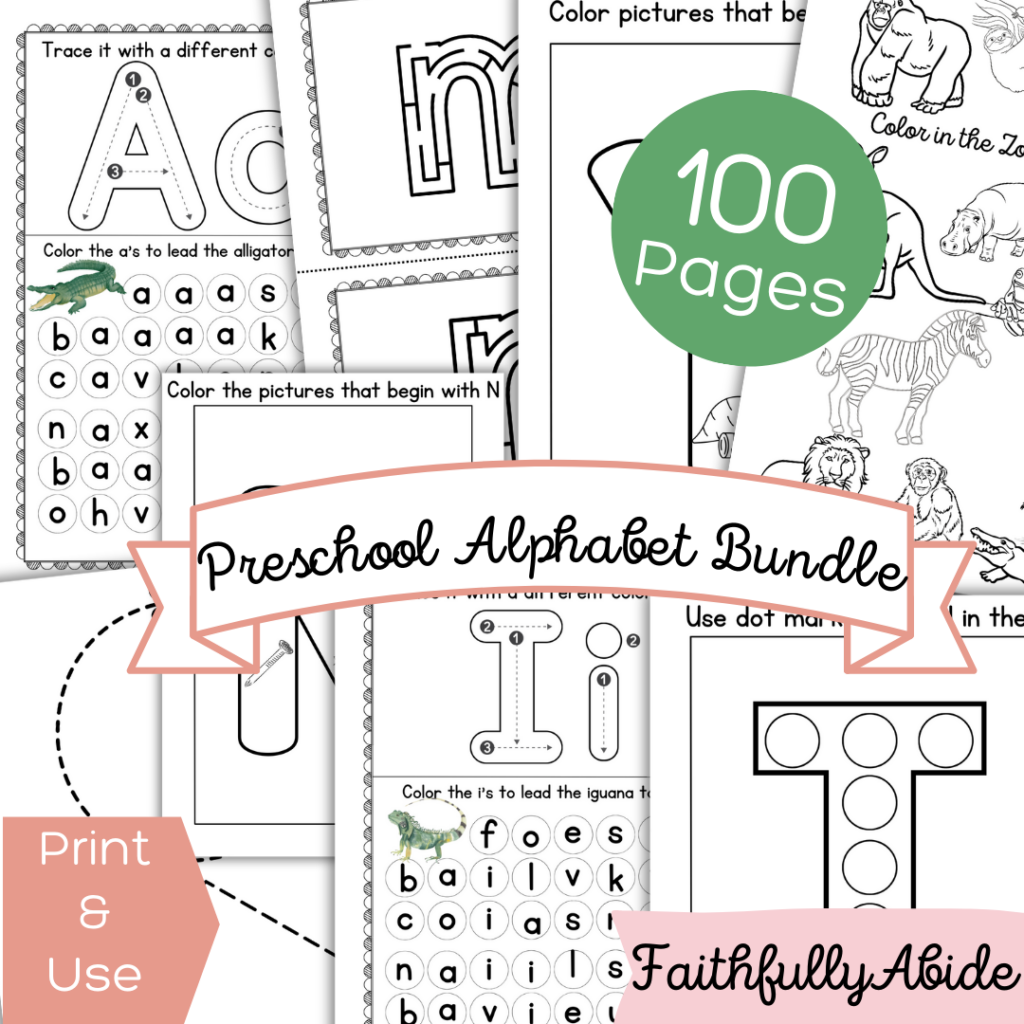
- Alphabet Worksheets – We have created the perfect alphabet bundle to teach your students their letters and sounds. It is 100 pages filled with fun and engaging activities. Click here to learn more about it!
4. Build a Print-Rich Environment
Surround your child with words in everyday life to reinforce that print carries meaning.
- Label items in your homeschool space (e.g., “door,” “chair,” “table”).
- Keep books in easy-to-reach places and rotate them frequently.
- Write notes to your child and read them together.
When to Start Formal Reading Instruction
Not all kindergarteners are ready for formal reading lessons at the same time, and that’s totally okay! If they’re not quite there yet, no worries—just keep building those early reading skills in a fun, relaxed way by practicing the above activities. The key is to keep it light and enjoyable so they develop a love for reading without any pressure and before you know it they will be confident readers!
But once your little one is showing interest and confidence in pre-reading activities, you can start introducing a phonics-based reading program and see how they do.
How to Teach Your Child to Read
Once your child is showing readiness, you can begin formal reading instruction using a structured approach:
1. Teach Letter Names and Sounds
Start teaching phonics skills by introducing letter names and sounds. Focus on common consonant sounds and short vowel sounds first. Do not teach them in alphabetical order. Your goal is to start introducing how to blend these letter sounds together, and in order to do that you need letters that will make words.
2. Blend Simple Words
Once your child knows a few letter sounds, start blending simple CVC (consonant-vowel-consonant) words. In order to do that you need to learn the letters in an order that allows you to quickly begin decoding words. For example teach the consonants l and g, then teach the vowel o. Once your young reader knows these letters and sounds they can begin reading the word log. Then teach the letter h and your student will be able to read hog. Show your student that when you change the first letter you can make a new word. Encourage them to sound out each letter and blend them together.
3. Teaching Sight Words or High Frequency Words
High frequency words are words that occur frequently in our written english language such as “the” or “and.” Sight word instruction is important so that your child can begin reading these common words before they have learned all the phonics instruction needed to decode them. As your child’s phonics skills develop some of these words will become decodable high frequency words. You can find several different sight word lists for your kindergarten sight words. Two common sight word lists are the fry sight word list and the dolch word list. The fry word list is composed of words based on their frequency and divided into levels. This list can be used up to 5th grade. The dolch word list is divided by the part of speech, is a much shorter list, and is best used kindergarten through 2nd grade.
Sight Word Games or Activities
An effective way to increase your students sight word recognition is by playing games and activities that make memorizing these words more fun.
- Write the words in sand or shaving cream
- Write words on index cards and play a memory game
- Write a word on the whiteboard and have your child put small highlighter sticky notes over the word when they find it in a book
- Creating a word wall to display a list of sight words
- Write the words on a piece of paper and have students trace the words in 2-3 different colors
- Let them make the words using magnetic letters.
4. Read Decodable Books
Choose beginner books that use simple words and predictable patterns. Let your child practice sounding out words and recognizing sight words in context. A great resource for decodable readers is Bob books.
5. Encourage Daily Reading Practice
Have your child read to you every day, even if it’s just a few words at a time. Praise their efforts and keep the experience positive. You want this time to give them a boost of confidence. Let them read the same books over and over to help with their reading fluency and confidence, and before you know it you will have fluent readers!
6. Keep It Fun and Low-Pressure
Make reading a fun and natural part of your homeschool routine. You can use hands-on activities, interactive games, and plenty of encouragement to keep your child engaged and excited about learning.
Kindergarten reading readiness is about fostering a love for books and creating a literacy-rich environment in your homeschool. All young children learn at their own pace, so be patient and make learning fun. Through daily read-alouds, hands-on activities, and engaging play, your child will develop the foundational skills they need for a lifetime of reading success!
For ideas on how to teach a guided reading lesson see this post!