As homeschool moms, we’re always on the lookout for creative ways to make learning come alive in our homes. Fall is one of the best times of year to dive into themed unit studies—and what better topic than bats?
These amazing creatures of the night are not only fascinating but also a great way to weave together science, reading, and hands-on fun in your homeschool days.
That’s why we created a Parts of a Bat Worksheet and Unit Study Printable—a simple, ready-to-use resource you can plug right into your family’s fall schedule. This study helps kids explore the different parts of a bat, learn the anatomy of a bat, and discover why bats are such important nocturnal animals in our world.
In this post, we’ll show you practical ways to use the unit study in your homeschool, suggest some additional bat activities, share great books for read-aloud time, and give you ideas for making bat week (or even bat month!) extra fun.

Why Study Bats in Your Homeschool?
Fall is naturally full of excitement—pumpkins, apples, owls, squirrels, and of course, bats! When we incorporate seasonal topics into homeschooling, our kids tend to get more engaged and curious.
Bats are often misunderstood, but when we slow down to learn about them, kids quickly see how truly amazing creatures they are. From their role as pollinators and insect-eaters to their unique abilities as flying mammals, bats open the door to so many cross-subject learning opportunities.
A bat pack that includes bat anatomy worksheets, bat life cycle worksheets, and even bat-related literacy activities helps children connect science with reading, art, and critical thinking.
When you dive into earth sciences during the fall, adding a study on bats to your lesson plans can be both exciting and memorable for young children. Since kids are often curious about all things bats during the Halloween season, it’s the perfect time to give them an educational way to learn with plenty of facts that go beyond the spooky stories. By breaking down the parts of the bat and labeling body parts on mini pages, kids gain a better understanding of how these creatures live and thrive. This makes the bat unit study a great addition to your fall lessons, giving you resources that are engaging and fun while staying rooted in science. Your young learners can enjoy this printable pack with different types of bats and bat species.
What’s Included in the Parts of a Bat Worksheet and Unit Study
Our printable set is designed to give your homeschool a mix of structure and flexibility. Inside the bat-themed worksheets, you’ll find:
- Parts of a Bat Worksheet – Label the wings, ears, body, claws, and other bat parts to understand the anatomy of a bat.
- Bat Life Cycle Worksheet – Explore how baby bats grow, practice sequencing, and learn fun bat facts.
- Bat Facts Page – A ready-to-use handout with kid-friendly fun facts about bats.
- Literacy Skills Pages – Word tracing, vocabulary practice, and writing prompts tied into the bat theme.
- Creative Pages – Bat coloring sheets, journaling prompts, and room for copywork.
This bat pack is flexible enough to use with multiple ages—from preschool through upper elementary—and can be adapted to your family’s pace.


Practical Ways to Use the Bat Unit Study in Your Fall Homeschool
We know how busy homeschool families can be, so here are some practical, no-stress ideas for working this bat study into your fall schedule:
1. Morning Basket Connection
Slip the bat anatomy worksheet and a bat read-aloud into your morning basket. Spend 10–15 minutes labeling the different parts of a bat together before diving into your usual core subjects.
2. Weekly Science Theme
Make “Bats” your family’s science theme for a week (or two!). Use the bat parts worksheet on Day 1, the bat life cycle worksheet midweek, and finish with a hands-on activity (like making a bat cave out of blankets).
3. Nature Walk Tie-In
Take a fall evening walk as a family. Talk about nocturnal animals you might see and listen for bats. Then, come home and review what you learned with your bat-themed fun printables.
4. Art + Science Blend
Have your kids draw and label their own bat diagram after completing the worksheet. They can get creative by adding fun facts in the margins or designing a “bat fact poster” for your school wall.
5. Reading and Writing Time
Pair the bat anatomy worksheet with a bat-themed read-aloud. Afterwards, encourage your kids to write a few sentences or a short story about bats using the vocabulary words provided in the literacy skills pages.
6. Family Project
Work together on a “Bat Book” by combining worksheets, drawings, stories, and bat facts into a little booklet. At the end of fall, your child will have a keepsake full of seasonal learning.
Extra Fun Bat Activities
While worksheets are helpful, kids remember best when we add in hands-on activities. Here are a few ideas to extend your bat study:
- Bat Cave Fort – Drape blankets over chairs or couches to create a cave, then read bat stories inside with flashlights.
- Echo Location Game – Play “Marco Polo” style, but call out “Bat!” and “Moth!” to act out how bats hunt using sound.
- Bat Snack Time – Serve foods bats might like (fruit, seeds, nuts) and talk about how bats help pollinate plants.
- Craft a Bat Mobile – Cut bat shapes out of black paper and hang them from a hanger to make a mobile.
- Bat Counting Math – Use toy bats or bat cutouts for skip counting, addition, or subtraction practice.
- Bat Shadow Puppets – Cut bat shapes and shine a flashlight against a wall to create shadow play.

Great Bat Books for Read-Aloud Time
Pair your bat anatomy worksheet with engaging picture books and chapter books that bring these amazing creatures to life. These also make a great option for Halloween children’s books!
Here are a few favorites:
- Stellaluna by Janell Cannon – A classic story about a bat learning her place in the world.
- Zipping, Zapping, Zooming Bats by Ann Earle – Great for early elementary kids curious about bat facts.
- Bat Loves the Night by Nicola Davies – A beautifully illustrated look at a bat’s nighttime adventures.
- Nightsong by Ari Berk – A poetic story about a young bat discovering echolocation.
- National Geographic Kids: Bats by Elizabeth Carney – Perfect for kids who love nonfiction and fun facts.
These read-alouds not only strengthen literacy skills but also deepen your bat study by weaving in stories, science, and imagination.
Fun Bat Facts to Share with Kids
Kids love sharing interesting tidbits, so here are a few you can use during your lessons:
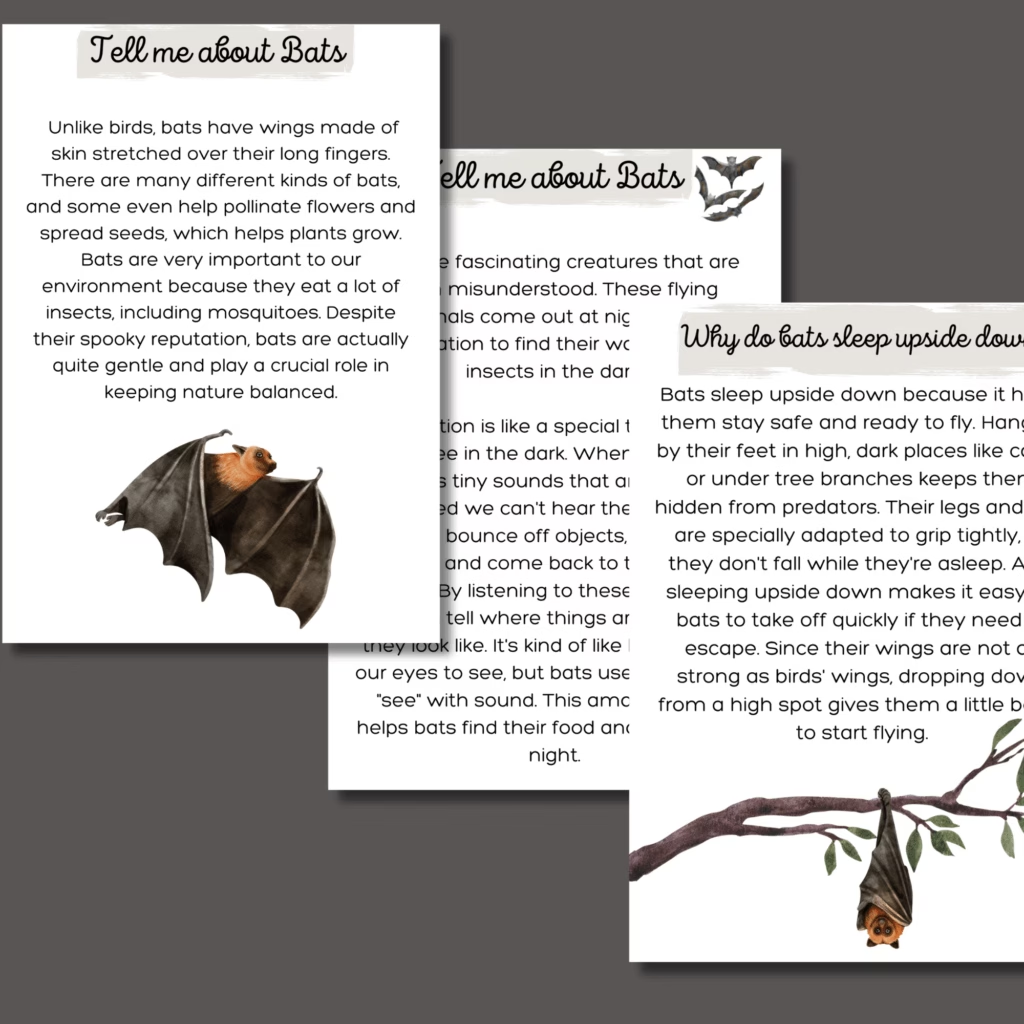
- Bats are the only mammals that can truly fly.
- Some bats eat fruit, while others eat insects—helping control pests in gardens and farms.
- Bats use echolocation (sound waves) to find their food in the dark.
- Baby bats are called pups.
- Bats can live more than 20 years!
These fun facts make great memory work or conversation starters around the dinner table.
Why Bats Fit Perfectly into the Fall Season
Fall is full of natural learning opportunities. As leaves change, days shorten, and nights grow cooler, kids notice the world around them shifting. Studying nocturnal animals like bats during this season feels natural, especially when paired with themes like owls, squirrels, or harvest time.
A bat pack fits perfectly into your fall rhythm because it allows you to mix science with bat-themed fun while also strengthening literacy skills through reading and writing. Whether you dedicate a week or sprinkle it throughout October, your kids will remember the time spent learning about these amazing creatures.
Bringing It All Together
Our Parts of a Bat Worksheet and Unit Study Printable (pdf file) gives your homeschool everything you need to make bats a meaningful part of your fall learning. By labeling the different parts of a bat, exploring the anatomy of a bat, and discovering new bat facts, kids gain confidence in science while enjoying seasonal learning.
When paired with read-alouds, hands-on bat activities, and plenty of bat-themed worksheets, this unit becomes more than just a lesson—it’s an experience.
As three moms walking the homeschool journey ourselves, we love creating resources that bring joy, curiosity, and wonder into your home. We hope this bat pack helps you and your kids celebrate the beauty of fall, the marvel of nocturnal animals, and the incredible design of God’s creation through bats.
So grab your bat anatomy worksheet, snuggle up with a bat story, and let the learning adventure begin!