Unlocking the Joy of Reading: Guided Reading Made Simple for First Grade
There’s something magical about watching a first grader crack the code of reading. Those tiny voices whispering through picture books, the wide eyes when they recognize a sight word, the proud smile after sounding out a tricky word—it’s all part of the journey. But as any teacher or homeschool mom knows, guided reading isn’t just about handing a child a book and hoping for the best. It takes intentional planning, the right reading strategies, and a whole lot of patience (and maybe a little singing and silly voices, too!).
Whether you’re new to guided reading or just looking for fresh ideas to bring more excitement to your reading time, this post will walk you through a simple, effective structure for guided reading with first graders—plus creative tips to make it fun and meaningful every step of the way.
What is Guided Reading?
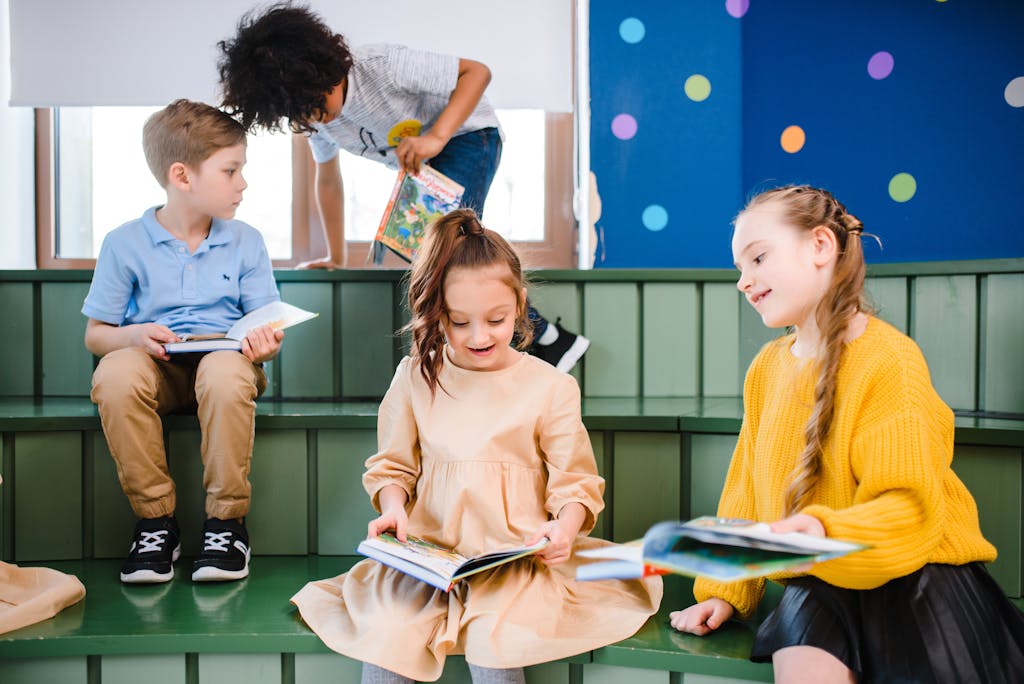
Guided reading is an instructional approach that is often done in small groups where students read a text that is just right for their reading level—challenging enough to grow their skills, but not so hard that they get discouraged. The goal is to support their reading development through targeted strategies, conversation, and repeated practice with texts that match their abilities.
What is the Goal of Guided Reading Lessons
The goal of guided reading lessons is to help students become independent, strategic, and fluent readers by providing targeted instruction in a small group setting. It’s all about meeting each child at their current reading level and gently guiding them toward the next.
Here’s a simple breakdown of the main goals:
1. Support Reading Growth at the Student’s Level
Each child gets to read books that are just right—not too easy, not too hard. This allows them to stretch their skills without becoming overwhelmed.
2. Improve Fluency
Through repeated reading and teacher support, students learn to read smoothly with appropriate pace, expression, and phrasing. It is important to allow your students to read the same books multiple times so that they achieve fluent reading. Fluent reading helps them to comprehend what they are reading as well as makes the reading more enjoyable for them. If your students are not able to reach fluency when they are reading, you may need to consider books on lower levels. It is important to find the reading level that fits their exact needs. Books that challenge them enough that they grow in their reading skills but not so challenging that reading becomes difficult and effects their ability to enjoy and comprehend the story.
3. Foster Confidence and Independence
In my opinion, this is the most important goal. We want our young students to fall in love with reading. In a small group setting, students feel safe to take risks, try out new strategies, and build the confidence they need to read on their own. It is such a privilege to watch these young kids go from decodable readers to little book worms in the 2nd grade.
Choosing Leveled Readers
Choosing leveled or decodable readers for your students is key to making guided reading effective. You want books that are just right—challenging enough to stretch their skills, but not so hard they get frustrated.
1. Use the 90–94% Rule
When a child reads a leveled book, they should:
- Read 90–94% of the words correctly (instructional level)
- Be able to retell the story and answer basic questions
If it’s too hard (lots of errors, guessing, or no understanding), drop down a level. If it’s too easy, move up.
2. Match Reader to the Right Book
Consider these when choosing a leveled book:
Content: Are the topics familiar or interesting to the student?
Text Features: Are there supportive pictures? Repeated phrases? Predictable patterns?
Length: Keep it short and manageable for their attention span
Font Size & Layout: Is the print large and clear? Is there too much text per page?
3. Rotate Fiction and Nonfiction
Expose students to a variety of genres:
- Fiction: great for character development, story elements, and retelling
- Nonfiction: builds background knowledge, vocabulary, and teaches text features
4. Observe and Adjust
Sometimes a book might technically match a level but just doesn’t click with a student. Watch how they respond:
- Are they engaged?
- Are they frustrated or losing confidence?
- Are they understanding what they’re reading?
Don’t be afraid to bump up or down a level based on what you see.
Guided Reading Lesson Plans
Use this next section as a guide for how to structure your guided reading time.
Before Reading (5–10 minutes): Book Introduction
Before your students even open the book, spend a few minutes preparing them to read with purpose.
1. Look at the Cover
The first thing you want to do before reading any book with kids is look at the cover. This will help them make predictions on what the story will be about.
Ask:
- “What do you see on the cover?”
- “What do you think this story will be about?”
- “Does it show us any of the characters that might be in the story?”
- “What is the title of the book? Does this give us any clues about the book?”
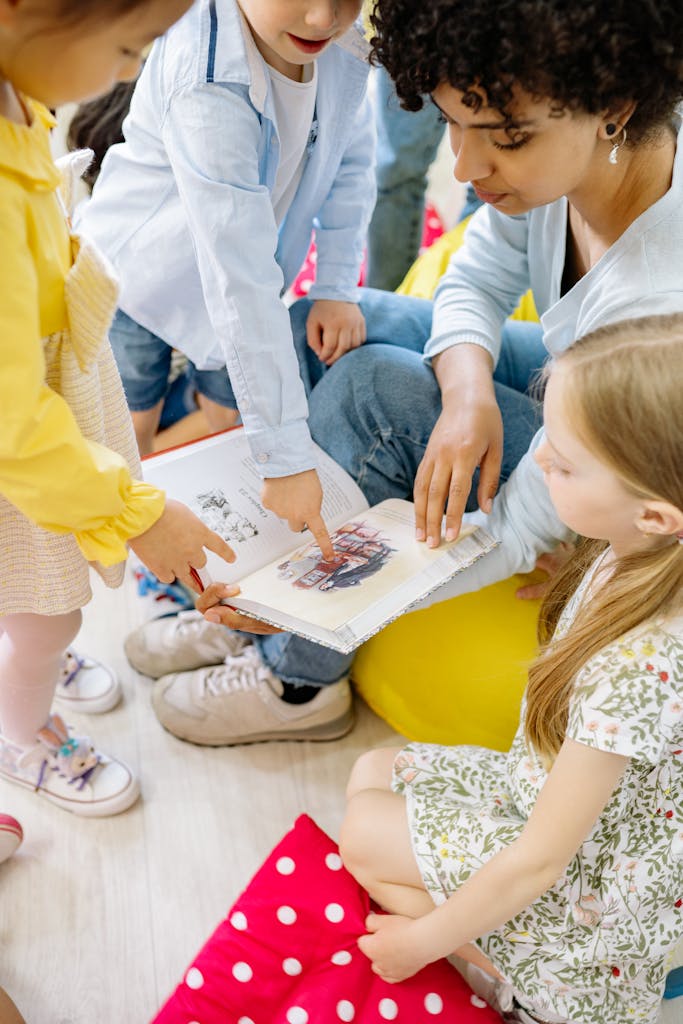
2. Picture Walk
Next, you want to do a picture walk through the book. This will help the kids become familiar with the story through the pictures, and you can point out things in the pictures that might help them figure out words in the text later on.
Flip through the pages together and talk about what you see.
Ask:
- “What do you think is happening here?”
- “Who do you think the characters are?”
- “What might this book be about?”
This builds background knowledge, supports comprehension, and gets kids excited about the story.
3. Introduce Vocabulary
In this step, you will choose a few new or tricky words from the text.
Write the vocabulary words on white boards or magnetic letters and:
- Clap the syllables
- Use them in a sentence
- Act them out or draw a quick sketch
This is a great way to expand their vocabulary as well as help introduce any words that might confuse them during their reading.
This is also a great time to point out any high frequency words that they will see in the text. If you need some ideas on how to teach high frequency words, see our blog post: Teach Kindergarten Students How to Read Words. It offers some fun ideas on how to teach some of the reading skills they will need to be successful such as letter sounds and recognition, high-frequency words, and cvc words.
4. Set a Purpose for Reading
Give them a “reading mission.”
For example:
- “Let’s find out what problem the character faces.”
- “Can you discover how this story ends?”
This keeps them engaged and thinking while they read.
During Reading (10–15 minutes): Reading Instruction
This is the heart of guided reading. Your goal is to listen, observe, and gently guide. You want to let them lead and offer support as needed.
1. Whisper Reading
If you are working with reading groups, then each child reads the text softly to themselves while you rotate and listen. Support with prompts like:
- “Try that again—does it sound right?”
- “Look at the first letter and think about what makes sense.”
2. Check Comprehension as You Go
Pause and ask:
- “What just happened?”
- “What do you think will happen next?”
- “How does the character feel?”
3. Reading Strategy
Encourage kids to use decoding strategies:
- Look at the picture
- Chunk the word into parts
- Stretch the sounds out, then put them back together
- Try skipping and coming back
- Re-read the sentence
Let them struggle productively—your job is to coach, not carry them through the book.
After Reading (5–10 minutes): Comprehension Skills
Comprehension skills are all about helping young readers understand, retell, and think about what they read—not just decode the words. At this stage, kids are developing the ability to make meaning from simple texts and connect stories to their own experiences. Once they’ve read the story, it’s time to process and extend the learning.
Here are different ways to teach comprehension skills:
1. Retelling
- Recalling the beginning, middle, and end of a story
- Including key details (characters, setting, events)
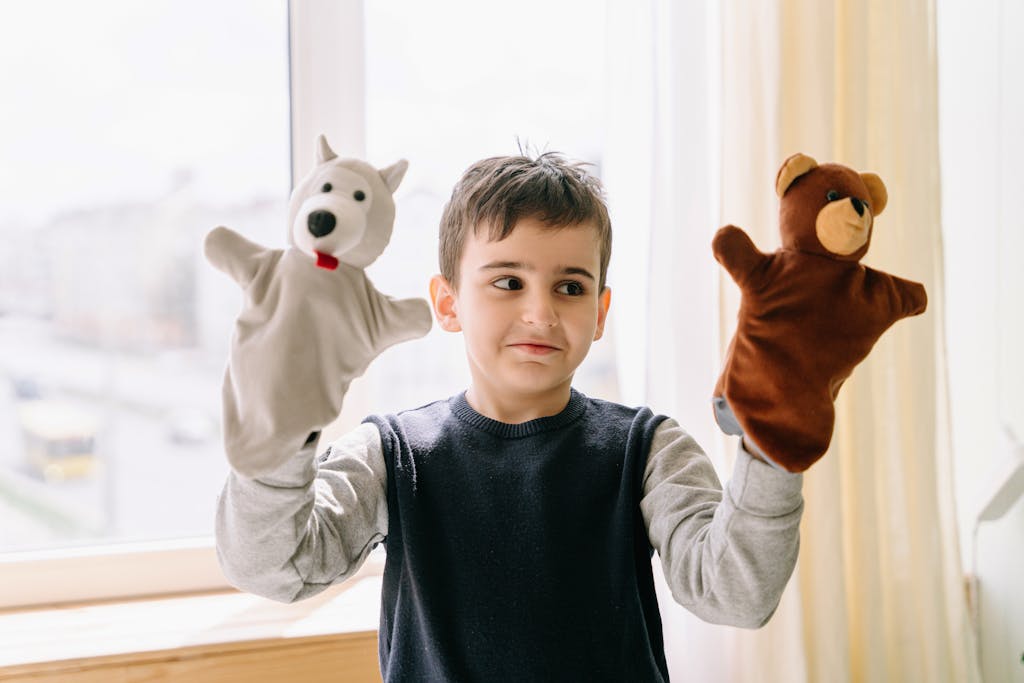
You can use finger puppets, draw story maps, or use printable retelling cards to make it more interactive.
2. Identifying Story Elements
- Characters (Who is in the story? Discuss character traits.)
- Setting (Where and when does it happen?)
- Events (What happens first, next, and last?)
- Problem and Solution (What went wrong? How was it fixed?)
3. Making Predictions
- Using pictures and text to guess what might happen next
4. Making Connections
- Text-to-Self (How does this relate to me?)
- Text-to-Text (Have I read something like this before?)
- Text-to-World (How does this connect to something I know about?)
These questions help build critical thinking and emotional connections to the text.
5. Asking and Answering Questions
- Who, What, When, Where, Why, and How questions
- Finding answers in the text or pictures
- Guide a short discussion:
“What did the character learn?”
“How did they solve their problem?”
These oral comprehension questions are a great way to help them recall and think about what they just read.
6. Sequencing
- Putting events in order using words like first, next, then, last
7. Visualizing
- Creating mental pictures of what’s happening in the story
8. Understanding Author’s Purpose
- Why did the author write this? (To entertain, inform, or teach?)
9. Inferring
- Reading between the lines to understand something the author didn’t say directly
(e.g., “The boy’s face turned red”—he’s probably embarrassed)
10. Main Idea and Details
- Identifying what the story or passage is mostly about
- Picking out important supporting details
Not all of these comprehension skills need to be taught during each guided reading lesson. Pick 1-2 comprehension skills that you want to work on for your reading lessons.
Additional Skills to Work On
Depending on the level of your guided reading group, some kids may still need some additional practice and explicit instruction on phonics skills that they have not mastered. Wrap up your lesson by reviewing a literacy skill that this group or student needs some extra practice with.
Phonics Skills
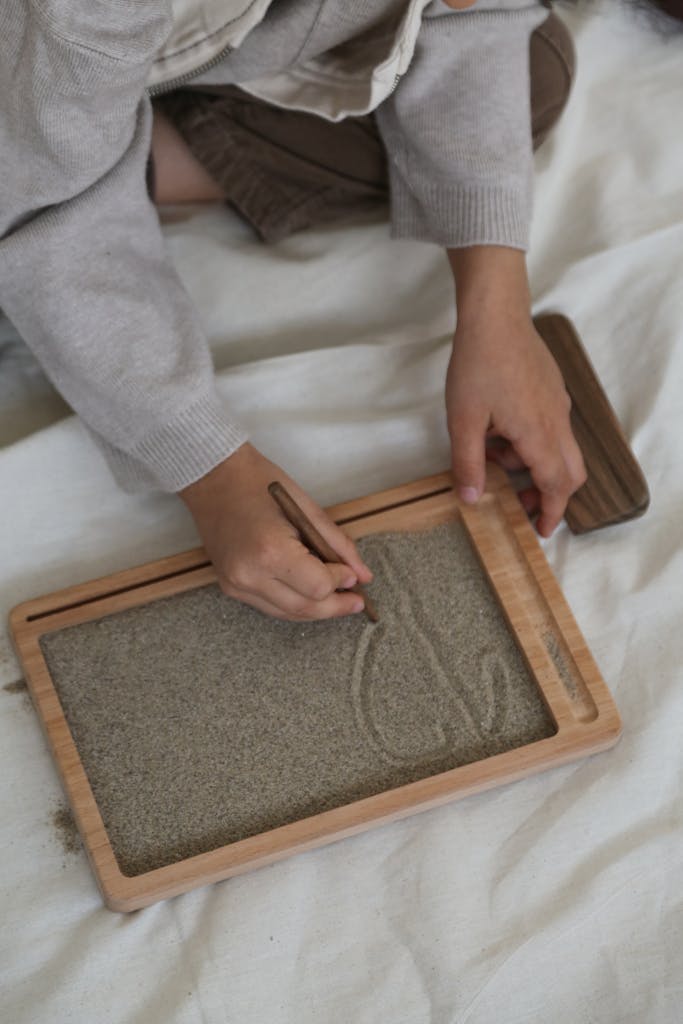
1. Word Work
- Build a word family (like -at or -op)
- Sort words by beginning sounds or spelling patterns
2. Sight Words
- Practice sight words from the book
- Spend extra time on a new sight word that appeared in the book
See our blog post: Teach Kindergarten Students How to Read Words, for more ideas on how to teach these skills.
So Why is Guided Reading so Important?
Guided reading is so important because it gives students exactly what they need to grow as readers—at just the right time and at just the right level.
Here’s a breakdown of why guided reading matters so much, especially in early literacy like first grade:
1. It Meets Students Where They Are
Every child learns to read at a different pace. Guided reading allows you to work with small groups based on reading level, so instruction is tailored to what that group needs—whether it’s decoding, fluency, or comprehension.
2. It Builds Strategic Readers
Guided reading teaches kids how to think while reading.
They learn to:
- Use context clues
- Sound out new words
- Self-correct
- Reread when something doesn’t make sense
These are the tools they’ll use forever as readers.
3. It Supports Comprehension
Reading is more than just sounding out words. Guided reading gives space to pause and talk about what’s happening in the story, why it matters, and what it means.
4. It Boosts Confidence
In a small group, students feel safe to take risks, try new strategies, and speak up. The books are at their level, so they can experience success—which builds confidence and motivation to keep reading.
5. It Strengthens Fluency
Students practice reading connected text with teacher support, which helps them:
- Read smoothly
- Use expression
- Develop rhythm and phrasing
Reading out loud regularly in guided reading builds automaticity and fluency, and fluent readers are confident readers.
6. It Fills in the Gaps
Guided reading helps catch issues early, whether it’s confusion with phonics, lack of comprehension, or a guessing habit. You can quickly reteach or reinforce skills in real-time.
Guided reading bridges the gap between learning to read and reading to learn.
It gives students the practice, support, and confidence they need to grow into strong, independent readers.
Bonus Tips for First Grade Guided Reading
- Keep it short and sweet—first graders have limited stamina
- Use fun voices, silly names, or props to keep them engaged
- Celebrate effort more than perfection
- Don’t be afraid to re-read the same book a few times (fluency loves repetition!)
Guided reading doesn’t have to be complicated or overwhelming. With a simple structure and a few creative touches, you can help your first graders build strong reading foundations, one book at a time. Whether you’re in a classroom or around your kitchen table, guided reading can be a joyful, confidence-building experience for both you and your learners.