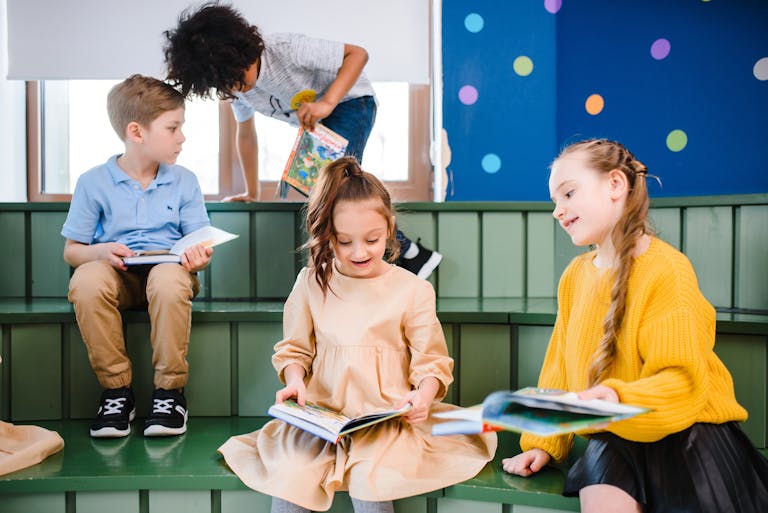
Creating the perfect homeschool room doesn’t mean you need a Pinterest-worthy setup with matching bins, coordinated wallpaper, and a massive budget. In fact, a truly effective homeschool space is one that fits your family’s needs, reflects your values, and offers a flexible, functional environment for learning. Whether you’re homeschooling in a dedicated room or using your kitchen table, it’s possible to create a space that inspires learning and fosters peace. Whether you homeschool kindergarten or high school, creating a well-organized and conducive learning environment is essential for effective homeschooling, but it doesn’t have to be hard or over the top.
In this post, we will discuss simple ideas to help you set up (or refresh!) your homeschool room—without the overwhelm. Let’s create a space that works beautifully for your family.
Start with a Clear Purpose
Before you buy a single organizer or rearrange furniture, ask yourself this: What do I want this learning space to do for us?
For some families, the homeschool space is all about structure – desks, daily schedules, and clear boundaries. For others, it’s a cozy, relaxed area where books and nature study tools are always within reach. There’s no right or wrong way—only your way.
Here are a few questions to help you clarify your vision:
- Will we do most of our work here, or is this just a gathering and storage space?
- Do my kids focus better with their own space or together at one table?
- Do I want this room to be multi-functional (school + craft + play)?
- How do I want this room to feel? Calm? Cheerful? Cozy?
Once you’ve answered these, the rest of the decisions get easier.
Keep It Simple and Flexible
A perfect homeschool room doesn’t have to be elaborate. In fact, simplicity often leads to more consistent routines and less visual clutter (which, let’s be honest, makes everyone a little more peaceful!).
Here are a few simple elements to focus on:
- A flat surface for writing or projects – this can be a traditional school table or desk or your dining table
- Comfortable seating for both you and the kids
- A dedicated space for school books and learning materials
- Good lighting, preferably natural light
- A few visual aids (maps, whiteboard, calendar, etc.)
The best part…these elements can work in a dining room, living room corner, basement, or bonus room. You don’t need a separate room—you just need a plan.
Use Zones to Organize the Room
Dividing your dedicated homeschool room into zones can make a big difference in how smoothly your day runs. This doesn’t require walls – just intentional areas for different activities.
Here are a few zone ideas to create a functional space:
- Work Zone: Desks or school table with pencils, books, and notebooks
- Reading Nook: Beanbags or a cozy chair with baskets of books
- Art + Creative Zone: A cart or table with craft supplies
- Quiet Time Zone: A soft corner with a blanket and quiet toys for younger siblings
- Homeschool Mom Command Center: A spot for your planner, curriculum, and daily schedule
Using simple tools like rugs, storage bins, or shelving can define these zones without needing much space.
Embrace Vertical Space
When horizontal space is limited, go vertical! Walls are your best friend when it comes to homeschool organization.
Consider adding:
- Wall-mounted bookshelves
- Bulletin board or magnetic boards for student work and reminders
- Hooks for headphones, backpacks, or clipboards
- Hanging file folders for each child’s school work
- A wall calendar or visual schedule
Using your walls not only keeps things tidy, but also keeps essentials accessible and visible, especially for visual learners.
Organize with Storage That Makes Sense
Storage doesn’t have to cost a lot of money. It just needs to work for your family. The goal is to reduce daily friction, so you’re not constantly hunting for your homeschool supplies.
Here are a few tried-and-true ideas:
- Clear plastic bins for manipulatives, flashcards, and craft items
- Bookshelves or cubbies for homeschool materials, curriculum, picture books, and board games
- Rolling carts for each child or subject (super helpful if you homeschool in a shared space)
- Drawer units or labeled baskets to group similar supplies
- Magazine holders or file boxes for worksheets and unit studies
Labeling is your friend – especially if you have multiple kids. The more intuitive the storage, the more likely your kids will help keep it tidy.
Add Personal Touches
Don’t forget to make the space feel like yours. Add beauty, warmth, and personality so it’s a homeschooling space everyone wants to be in.
Here are a few different ways to personalize your homeschool room:
- Hang your kids’ artwork or seasonal crafts
- Display inspiring quotes or Scripture verses
- Use family photos or a world map to spark conversation
- Bring in cozy elements like throw pillows, soft blankets, or plants
- Choose a color palette that feels calming or cheerful
Remember, your homeschool room doesn’t need to be sterile and perfect. Let it reflect the beautiful, messy, real-life learning you’re doing together. Check out these fun posters to add to your homeschool space.
Include a Daily Rhythm Display
Whether you use a strict schedule or a gentle rhythm, having your day visible helps everyone feel anchored and adds a peaceful rhythm to your day.
Here’s how to display your daily rhythm:
- Use a large dry-erase board or laminated printout
- Include time blocks or routines (e.g., Morning Time, Math, Snack, Reading, Nature Walk)
- Keep it simple and realistic
- Add visuals or icons for younger children
Having a daily rhythm on display can reduce questions, limit distractions, and help transitions go more smoothly.
Designate a Space for Mom
You need a command center – period. Whether it’s a full desk or a corner of the kitchen counter, you need space for your lesson plans, sticky notes, pens, coffee, and prayers.
Consider including:
- A planner or binder for your homeschool records – Find the perfect homeschool planner here!
- Storage for curriculum and teacher guides
- A quiet drawer or shelf for your own books or devotionals
- A spot for your laptop or printer (if you use one regularly)
Taking care of your homeschool space includes taking care of yourself too!
Make Room for Movement and Play
Don’t forget your kids need to move! Sitting still all day is not natural for most children – especially younger ones.
Here are a few ways to add movement to your homeschool room:
- Keep a mini trampoline, balance board, or yoga mat nearby
- Store active toys like jump ropes, bean bags, or hula hoops in a bin
- Play a quick movement game between subjects
- Create a brain break basket with movement cards
Making movement part of your routine will improve focus, behavior, and overall joy in your homeschool day. And remember sometimes a change of scenery is important…go outside for spelling or read a book in the living room
Rotate Materials to Keep It Fresh
You don’t need to have everything out all the time. In fact, rotating materials can breathe new life into your homeschool space and reduce clutter.
Try rotating:
- Books on display
- STEM bins or puzzles
- Nature study tools
- Art supplies
- Educational games
Every few weeks, swap out what’s visible. You’ll be amazed how excited your kids get about “old” materials when they haven’t seen them in a while!
Don’t Be Afraid to Tweak As You Go
One of the biggest myths is that you’ll set up your homeschool room once and be done.
Spoiler: You won’t.
As your kids grow, your homeschool rhythms shift, and your curriculum changes, so will your space needs. That’s okay – and totally normal!
You might need:
- A second desk as your child gets older
- More storage for books as your collection grows
- A new way to organize manipulatives
- A better lighting setup during winter months
Give yourself permission to evolve. Flexibility is one of homeschooling’s superpowers – embrace it!
Involve Your Kids
Don’t forget to include both your younger and older children in the process of creating your homeschool classroom! When they help design the space, they’re more likely to respect it and use it well.
Ask questions like:
- What kind of chair do you like best?
- Would you rather have your own desk or share a table?
- What colors or posters would you enjoy?
- What helps you focus when you’re learning?
Younger kids can help choose bins, hang artwork, or decide where their books should go.
Pray Over Your Homeschool Space
This might be the most powerful thing you do.
Before you start a new season, take a few minutes to pray over your designated homeschool room. Invite God into the space. Ask for wisdom, peace, joy, and a spirit of curiosity to fill the room.
You might pray something like:
“Lord, thank You for the gift of learning at home. Fill this space with peace, patience, and purpose. Let this be a room where curiosity grows, relationships deepen, and You are glorified in all we do. Amen.”
Creative Homeschool Room Ideas
Here are examples of our homeschool spaces. We hope that it inspires you to create a space that works perfectly for your family.
Jenny
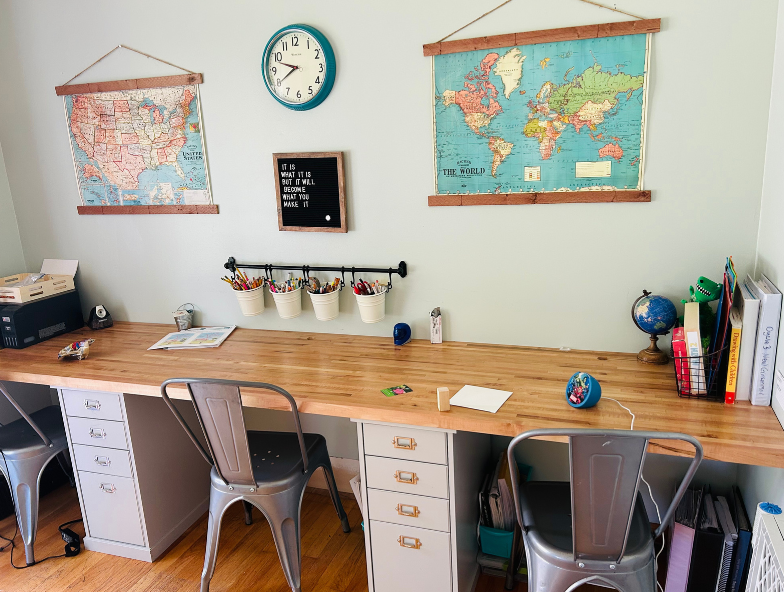
We created this desk area in our living room where we keep all of our homeschooling supplies organized and easily accessible.
But the truth is… we typically all gather round the kitchen table when it comes time for lessons. Everyone likes to be together and that usually involves snacks, so this is where you can find us doing our homeschool work.
Taylor
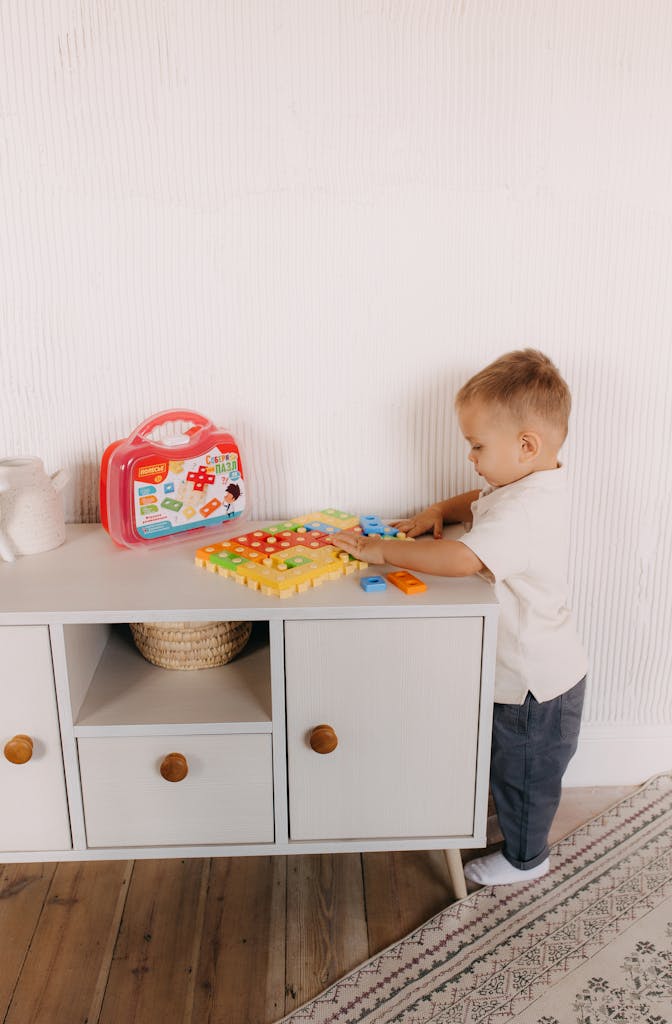
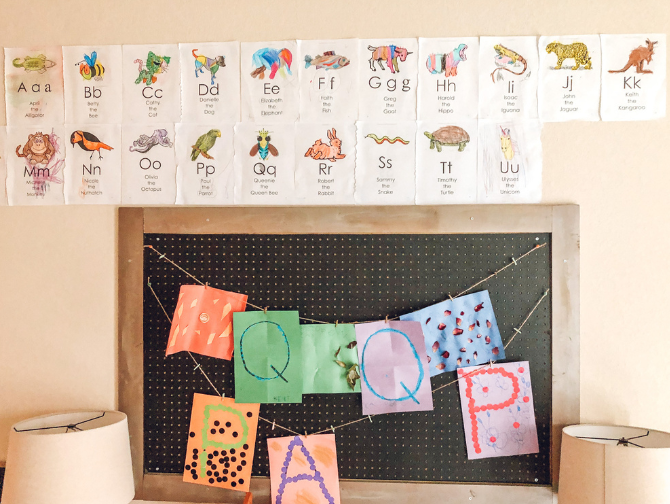
We have a playroom where we display art and pages specific to our learning. This provides a space for our young children to still play while giving the opportunity to work with our older children.
Our learning and formal lessons mostly happen circled around the dining room table or on top of the table. This is the space where we spend a lot of our day whether it be Bible time, crafts, lessons, meals, or anything in between.
Jaclyn
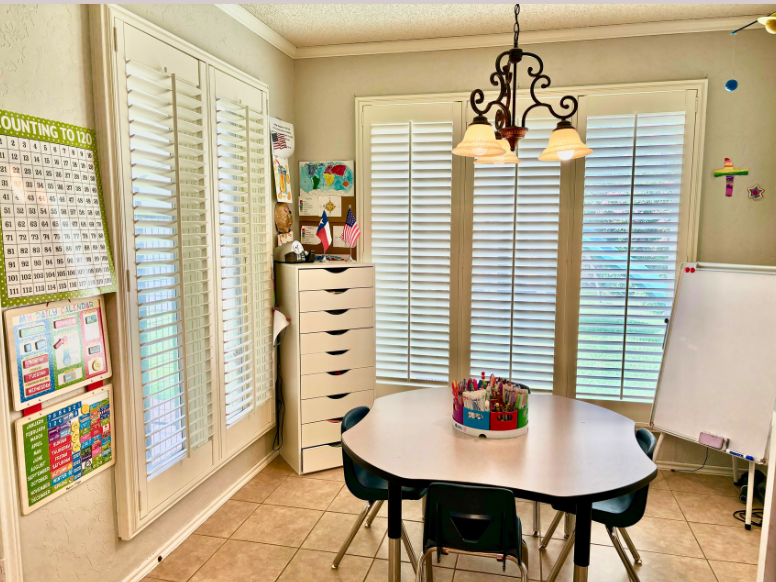
We turned our breakfast nook into our homeschooling space. My kids are still in elementary, so I chose to add in the smaller table and some cabinets to store and organize all of our school items.
We also like to move around during the day. You can often find us on the couch while we read, outside practicing math problems and spelling with chalk, or doing school in front of the fireplace on cold days.
There’s no such thing as a one-size-fits-all homeschool room. The perfect space is one that works for your family- your style, your budget, your children’s needs, and your daily rhythm.
Start small. Declutter a corner. Add a shelf. Create a cozy nook. You don’t have to overhaul everything at once. The beauty of homeschooling is that it’s flexible, personal, and deeply meaningful, and your homeschool room should reflect that.
You’ve got this, mama. Your homeschool room doesn’t need to be perfect – it just needs to serve your family well. And with a few simple changes, it absolutely can.
Are you new to homeschool and need help knowing where to start? Check out our FREE Homeschool Ebook: A Guide to Homeschooling