Learning multiplication can feel intimidating for many kids – but it doesn’t have to be. One of the simplest and most powerful tools to support multiplication mastery is to use a printable multiplication table. It offers visual structure, helps kids spot number patterns, and builds confidence by providing a clear reference point.
Whether your child is just beginning to learn their times tables or needs a helpful way to review, printable multiplication charts can make a big difference.
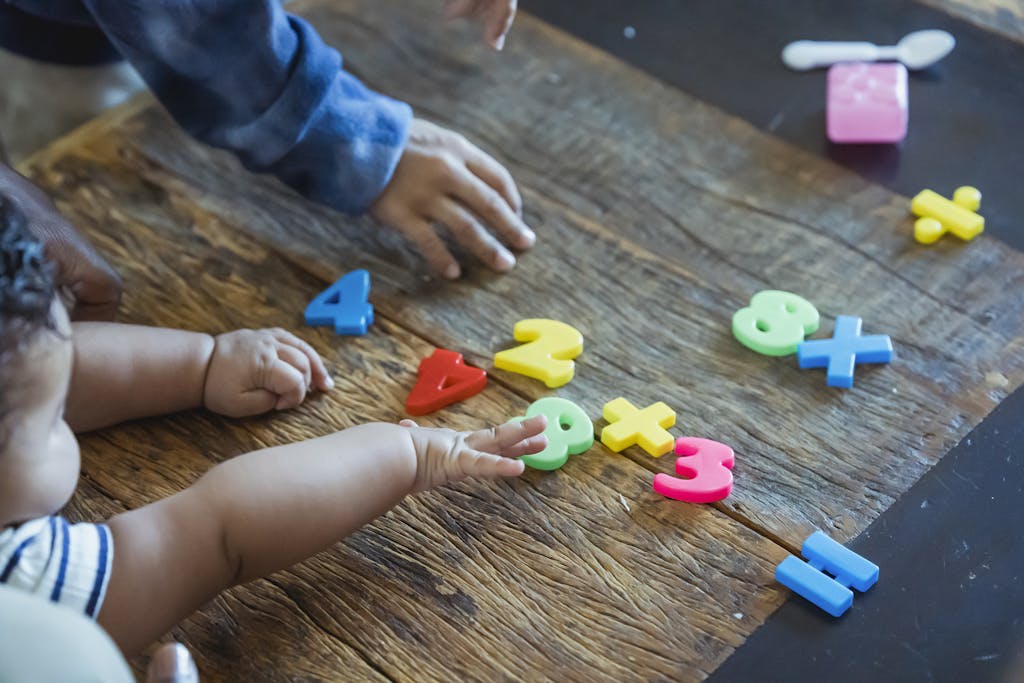
Printable Multiplication Charts
Printable multiplication charts are a valuable tool that can be used for both introducing and reinforcing multiplication facts.
1. Visual Reference for Patterns
Multiplication tables help children see the structure of multiplication. They begin to notice patterns:
- All products in the 5s column end in 0 or 5.
- Diagonal symmetry (3×4 and 4×3 have the same product).
- The 10s row increases predictably by 10s.
Recognizing these patterns builds number sense and helps students move from memorization to understanding.
2. Builds Confidence
Early learners can use times table charts as a safety net. Instead of getting stuck or frustrated, they can refer to the chart and still experience success, which boosts motivation and reduces math anxiety.
3. Encourages Independence
Once students learn how to use the chart, they can practice multiplication on their own. It’s a great tool for self-checking work, which fosters responsibility and reinforces correct answers.
Show students that they find the first multiplication number in the multiplication problem on the first left column or vertical line, and then they find the second number on the top row or horizontal line. Trace the row from the first number and the column from the second number until they meet. The box where they intersect is your answer to their multiplication problems.
4. Supports Differentiated Learning
Whether a child is just starting out or reviewing tricky facts (like the 7s or 8s), the chart allows for customized learning at different levels. You can use it to focus on specific rows or columns based on the child’s needs.

5. Bridges to Mental Math
As students grow familiar with the chart, they begin to internalize the facts. Over time, they stop needing to look up the answers – they remember them, which improves speed and fluency.
Download our FREE multiplication chart bundle here.
It includes colorful multiplication charts, black and white multiplication charts, and blank charts. Have students fill in a blank multiplication chart to practice their math facts. Charts are included for facts 1-12 and facts 1-20.
Effective Teaching Strategies for Mastering Multiplication
Multiplication is a foundational math skill that supports everything from division and fractions to algebra and beyond. But for many children, multiplication can feel overwhelming and abstract. As a home school parent or teacher, your approach to teaching this critical concept can make all the difference.
Whether you’re introducing multiplication for the first time or reinforcing it through review, these seven teaching strategies will help make multiplication more engaging, memorable, and effective for your learners.
1. Start with the Concept, Not Memorization
Before diving into times tables, it’s essential that children understand what multiplication means. Begin with the idea that multiplication is repeated addition.
Example:
2 × 4 means 2 groups of 4, or 4 + 4 = 8.
Use real-world examples and manipulatives like counters, blocks, or small toys to visually demonstrate the concept. Show that 3 × 5 is the same as 5 + 5 + 5. This foundation gives kids a mental model to rely on as they move toward memorization.
2. Use Arrays and Visuals
Visual learners thrive when they can see the problem. Arrays are an arrangement of objects in rows or columns and provide a powerful visual tool for helping students understand multiplication.
How to do it:
Draw dots, stars, or stickers in rows and columns. For example, to model 4 × 3, draw 4 rows with 3 dots in each. Then have your child count all the dots to see that 4 × 3 = 12.
Using graph paper or printable array templates can help children stay organized as they build their own arrays.
3. Incorporate Songs and Chants
Songs and chants are incredibly helpful for memorizing multiplication facts, especially for auditory learners. Rhythmic repetition and catchy tunes help facts stick more effectively than rote memorization.
Tip: YouTube is full of multiplication songs that cover individual times tables. Try starting your morning with a different multiplication song each day, focusing on one factor at a time (like the 3s or the 7s).
Even better—let your child make up their own song or rap for a set of facts they’re struggling with. The creative process helps reinforce learning.
4. Turn Practice into Play
Games can transform tedious drilling into a time of fun and connection. Kids are far more likely to stick with multiplication practice when it feels like a game rather than a chore.
Try These Ideas:
- Multiplication Bingo – Use times math facts as the call-out answers.
- Flash Card War – Each player flips a card; the first to correctly multiply the two numbers wins.
- Board Games – Create your own or use printable multiplication games found online.
- Multiplication Jenga – Write problems on each block, and players must answer correctly before pulling it out.
- Electronic Math Games – Your kids will love practicing their math facts with THIS math whiz game.
Not only do these games make learning more enjoyable, but they also encourage speed and accuracy through repetition.
5. Teach Strategies and Tricks
As students become more comfortable with multiplication, teach them strategies to simplify and check their work.

Some popular strategies include:
- Skip Counting – Especially useful for lower numbers like 2s, 5s, and 10s.
- Doubling – Help kids see that 4 × 6 is the same as double 2 × 6.
- Using Known Facts – If they know 5 × 6, they can find 6 × 6 by adding another 6.
- Commutative Property – Let them know that 3 × 4 and 4 × 3 are the same.
Teaching these strategies gives students confidence and tools to solve problems even when they don’t have the exact fact memorized.
6. Use Real-Life Scenarios
Multiplication becomes more meaningful when it’s tied to everyday life. Present your child with real-world math problems that require multiplication to solve.
Examples:
- “If we bake 3 trays of cookies and each has 6 cookies, how many do we have in total?”
- “You have 4 shelves with 8 books on each. How many books are there?”
Using multiplication in cooking, shopping, gardening, or budgeting helps children understand its practical value. Plus, they’ll retain what they learn better when it feels useful.
7. Build Fact Fluency Gradually
Trying to memorize all the multiplication facts at once can be overwhelming. Instead, break it down into manageable chunks and celebrate mastery along the way.
Suggested order for introduction:
- ×0, ×1 (basic identity rules)
- ×2 (double facts)
- ×5 and ×10 (easy skip counting)
- ×3 and ×4
- ×6, ×7, ×8, ×9 (taught with strategies or songs)
- ×11 and ×12 (patterns make these easier)
Don’t rush. Spend as much time as needed on each set, using games, visuals, and practice to reinforce learning. Be sure to regularly review previously learned facts to keep them fresh.
Bonus Tip: Be Patient and Encouraging
Multiplication doesn’t come overnight. For some kids, it clicks quickly. For others, it requires repetition, review, and reinforcement over weeks or months.
Celebrate small wins. Let your child know it’s okay to take their time, and always praise effort, not just accuracy.
Encouraging phrases like:
- “I love how hard you’re trying!”
- “Great job using a strategy to figure that out!”
- “You didn’t give up—that’s awesome!”
A positive attitude from you goes a long way in building their confidence and resilience.
Teaching multiplication can feel like a big mountain to climb—but with the right tools, strategies, and a playful mindset, your child can become a confident, capable math learner. Using these approaches will not only help students master their multiplication facts but also cultivate a lifelong love of learning.
Remember: it’s not just about getting the right answers – it’s about developing number sense, problem-solving skills, and confidence in their abilities. And as a homeschool mom or teacher, you have the unique advantage of adapting your teaching to your child’s pace and learning style.
You’ve got this!
Don’t forget to download our free resource that includes printable multiplication charts HERE!