Teaching the Alphabet: Why It Matters and How to Use Colorful Alphabet Letters as Flashcards Effectively
Teaching the letters of the alphabet is one of the first steps in a child’s educational journey. Recognizing and understanding letters opens the door to reading, writing, and overall language development. Whether you’re a teacher, homeschool parent, or caregiver, helping little learners recognize the alphabet sets them up for lifelong literacy success. Let’s explore why learning the alphabet is so important, fun and engaging ways to teach it, and how to use alphabet flashcards effectively in your learning routine.
Why Learning the Alphabet Is So Important
Before a child can read a book or write a sentence, they need to recognize the building blocks of language: letters. Learning the entire alphabet is more than just memorizing 26 characters; it involves understanding each letter’s name, shape, sound, and how it works in the context of words.
1. Prepares Children for Reading
Alphabet knowledge is one of the strongest predictors of early reading success. When children can recognize letters and associate them with sounds (phonemic awareness), they can begin decoding words. This process is essential for early readers to sound out new vocabulary and build fluency.
2. Develops Writing Skills
Knowing how to identify and form letters also lays the groundwork for writing. Children who are comfortable with the whole alphabet are more likely to write their names, label drawings, and eventually write sentences. It boosts confidence and encourages early writing attempts.
3. Strengthens Language Development
Learning letter names and sounds enhances vocabulary, pronunciation, and listening skills. As children hear and repeat letter sounds, they practice important language patterns that support communication and comprehension.
4. Encourages Independence and Confidence
Mastering the alphabet empowers children. It’s often one of the first big accomplishments in their learning journey. That sense of success builds momentum for tackling more complex skills like reading and spelling.
Strategies for Teaching the Alphabet
There’s no one-size-fits-all approach to teaching the alphabet. Children learn best through repetition, movement, play, and hands-on activities. Here are several effective strategies to make learning the alphabet engaging and meaningful:
1. Sing the Alphabet Song
Repetition through song helps children memorize the sequence of letters. You can sing the traditional ABC song or try other variations with slower tempos, hand motions, or visuals.

2. Letter of the Week
Focusing on one letter at a time allows you to explore that letter in depth. You can read books that highlight the letter, do alphabet crafts, eat snacks that start with the letter, and practice writing it in different ways.
3. Read Alphabet Books
There are countless beautifully illustrated alphabet books that introduce each letter with a story, animal, or object. Reading these books builds letter recognition and vocabulary at the same time.
4. Use Hands-on Activities
An effective method when teaching the alphabet to early learners is engaging multiple senses. Try activities like:
- Tracing letters in sand, rice, or shaving cream
- Using playdough to form letters
- Stamping letters with rubber stamps
- Drawing letters on a chalkboard or dry-erase board
These activities not only help them learn the whole alphabet, but it allows them to practice their fine motor skills.
5. Label the Environment
Place large letters around the room or home—on doors, drawers, toy bins, and furniture. Labeling everyday items helps children make connections between letters and the world around them.
Using Alphabet Flashcards in Early Literacy
Flash cards are a classic tool and for good reason. They’re versatile, portable, and easy to customize to your child’s learning level and interests. When used the right way, alphabet flashcards can boost letter recognition, phonemic awareness, and memory skills.
Benefits of Using Alphabet Flashcards
- Reinforce letter recognition (both uppercase and lowercase)
- Support sound-letter association
- Promote visual memory and recall
- Can be used in quick, engaging sessions
- Adaptable for games and hands-on activities
How to Introduce Alphabet Flashcards
When first introducing flashcards, a great way is to start with just a few letters at a time—especially those in your child’s name or letters that appear in familiar words (like “M” for “Mom” or “D” for “Dog”).
Use a calm, positive tone. Say the letter name, show the card, and repeat the sound the letter makes. You can also show an object or picture that starts with the letter sound for added context.
For example:
- Show the card “B”
- Say: “This is the letter B. B says /b/ like ball.”
Flashcard Activities to Make Learning Fun
Flash cards don’t have to mean drill and repeat sessions. Here are fun, interactive ways to use alphabet flashcards:
1. Flashcard Hunt
Hide letter cards around the room. Call out a letter and have your child find it and bring it to you. You can also reverse the roles!
2. Match Uppercase and Lowercase
Lay out uppercase letters and give your child the matching lowercase letters to pair.

3. Sound Sort
Place several cards on the floor. Say a sound (“/m/”) and have your child slap or point to the correct letter.
4. Alphabet Train
Line the cards up in alphabetical order like a train track. You can even add toy trains or animals to “ride” the train.
5. Name Building
Use letter flashcards to spell out your child’s name or family members’ names.
6. Draw It!
Show a flashcard and ask your child to draw something that starts with that letter.
7. Alphabet Relay
Place flashcards on one side of the room. Call out a letter and have your child run to the correct card.
Tips for Success When Teaching the Alphabet
- Keep sessions short and playful. Young children learn best in small bursts of time.
- Celebrate small wins. Even recognizing one new letter is progress worth celebrating.
- Review often. Repetition builds memory. Go back to previously learned letters often.
- Make it personal. Use your child’s interests to make flashcards meaningful—like adding pictures of dinosaurs, animals, or favorite foods.
- Focus on both letter names and sounds. This will make the transition to phonics and reading much smoother.
- Use both uppercase letters and lowercase letters. Children will need to recognize both in books and in writing.
Printable Colorful Alphabet Letters
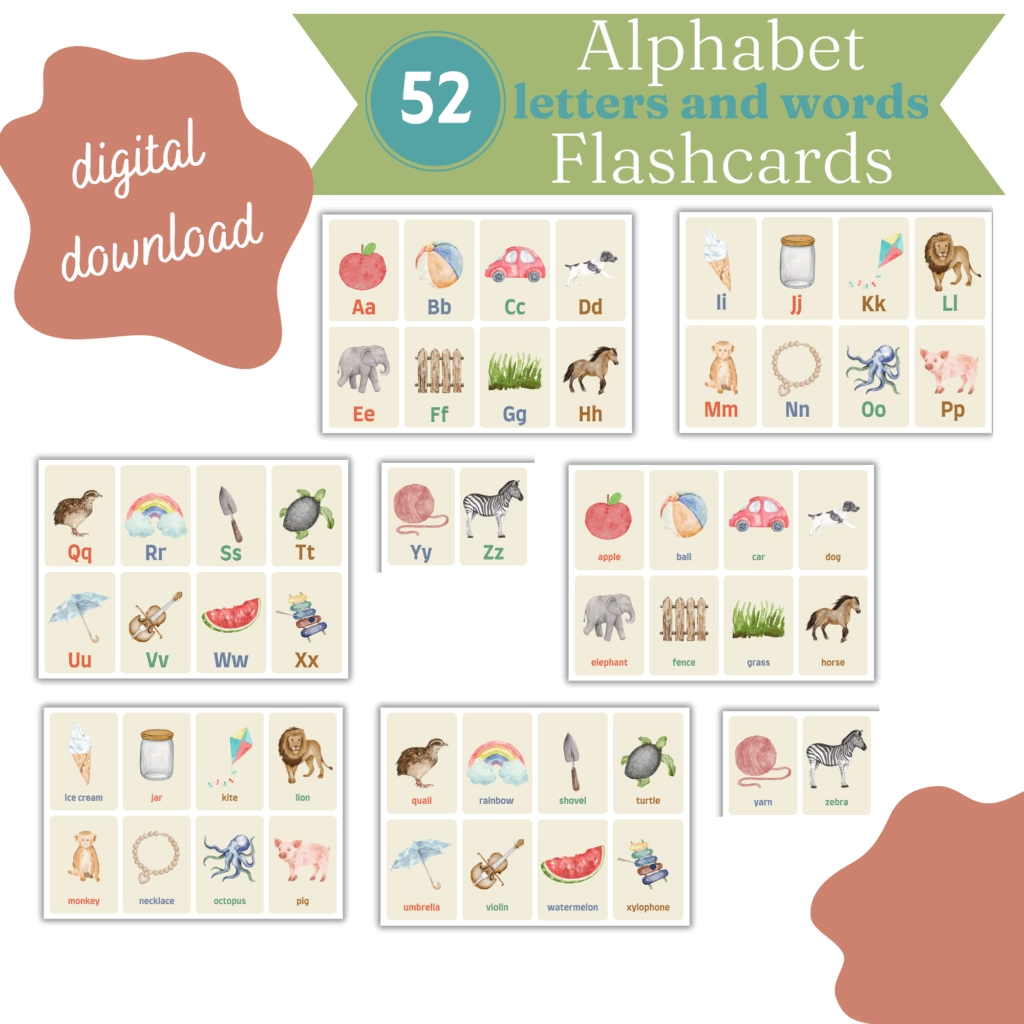
You can purchase our beautiful watercolor alphabet flashcards and start using these fun flash cards for your educational use today!
- 26 watercolor letter flashcards
- 26 watercolor word and picture flashcards
- Laminate for durability
- Punch a hole in the corner and put on a binder ring to keep them together
- Hang them up for a beautiful bulletin board display.
- Add our matching alphabet chart posters for the perfect wall art! You can find them HERE!
Building a Foundation for Lifelong Learning
Teaching the entire alphabet isn’t just a box to check off—it’s a stepping stone toward reading, writing, and understanding the world. By using engaging hands-on activities and alphabet flashcards, you’re giving your child the tools they need to become confident, joyful learners.

If you are looking for more preschool printables that will help your early learners know their letters in no time, check out our post on ABC + Alphabet Writing Worksheets for Preschool Ages. These fun printables give children practice learning individual letters, include printable alphabet coloring pages, and fun glue and cutting practice. And the best part is you don’t have to prep alphabet worksheets because the work is all done for you, just hit print!
Whether your child is just beginning to recognize letters or already sounding out words, remember: progress is progress. Keep it fun, make it meaningful, and celebrate each little success along the way.