Teaching a child to write their name is one of the most exciting and rewarding milestones in early education. It’s more than just learning letters. Writing names is foundational for literacy, confidence, and school readiness. But how do you make this important skill fun and approachable for young learners?
If you’re a teacher, homeschool parent, or caregiver looking for engaging name practice activities that go beyond plain worksheets, you’re in the right place. In this post, we’ll dive into hands-on, creative, and easy-to-set-up activities that will help your kindergarten students master their name while having fun.
Whether your child is just beginning to recognize the letters of their name or ready to write it independently, these ideas will spark enthusiasm and learning.

Why Is Name Writing Important in Kindergarten?
Before we get into the activities, let’s talk about why name writing is such a big deal.
1. Builds Fine Motor Skills
Writing requires coordination, grip, and control. Name writing gives children daily opportunities to strengthen hand muscles and pencil control in a meaningful way. Introduce proper pencil grip now while they are learning instead of trying to correct this after a habit has already formed.
2. Encourages Letter Recognition
When children focus on the letters in their name, they develop a personal connection to the alphabet. It’s often the first set of letters they learn to identify and remember.
3. Increases Independence
Being able to write their name helps children label their work, sign into the classroom, and feel confident in their identity.
4. Prepares Them for Formal Writing
Name writing bridges the gap between letter recognition and forming full sentences. It lays the groundwork for spacing, directionality, and consistency in writing.
Getting Started: Tips for Teaching Name Writing
Before jumping into activities, keep these simple tips in mind:
- Use consistent models: Write their name using correct capitalization (ex: Liam, not LIAM). This helps set the expectation for what their name should look like in print.
- Start with tracing: If your child is new to writing, begin with tracing large letters. Show them proper letter formation as they trace the letters.
- Use multi-sensory methods: Incorporate touch, movement, and sound to make learning stick.
- Make it personal: Kids love to see their own name! Use it as often as possible in learning materials. This will also help them with name recognition. The more they see their name, then the quicker they will begin to recognize it.
- Celebrate effort over perfection: Encourage progress, not just perfect penmanship.
Now, let’s get to the fun part, the name activities!
20 Fun and Easy Name Writing Activities
1. Rainbow Writing
Give your child a worksheet with their name outlined in large letters. Have them trace over the letters with a different color. You can use crayons or markers, creating a rainbow name.
Why it works: Repetition builds muscle memory, and the color changes keep it fun.
2. Writing in Salt Trays
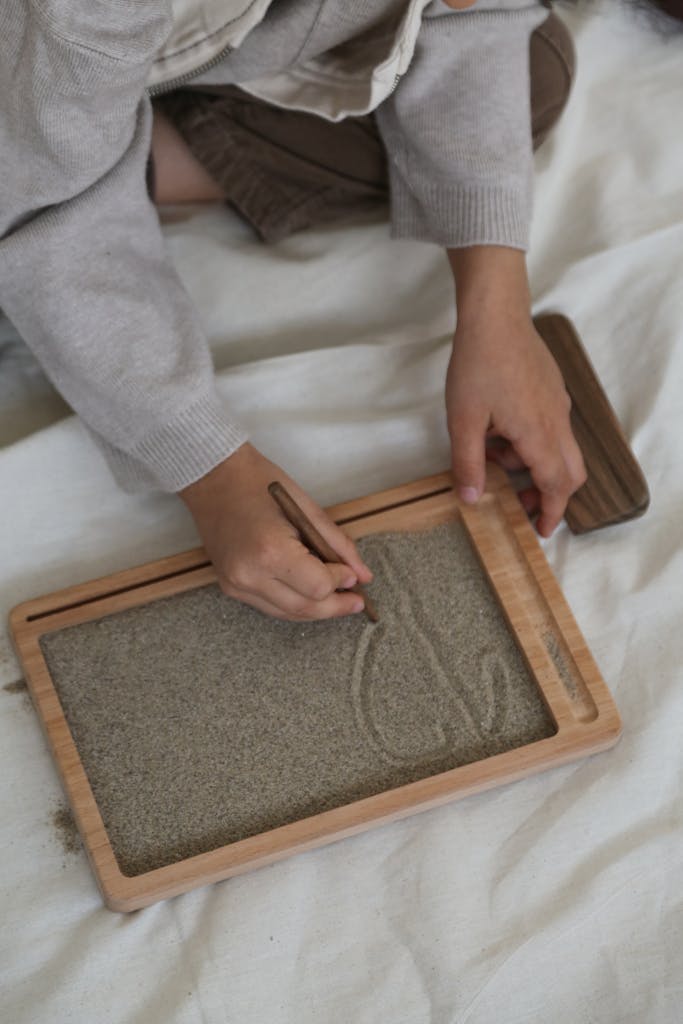
Pour a thin layer of salt (or sugar, sand, or flour) into a shallow tray. Let your child use their finger to write their name in the tray.
Tip: Place a name card at the top for reference.
3. Play dough Name Mat
Use a laminated name card and have your child roll play dough “snakes” to form each letter.
Bonus: Great for building fine motor strength!
4. Paint with Water
Use a paintbrush dipped in water to “paint” their name on construction paper, a chalkboard, or on the sidewalk.
Mess-free and fun for practicing letter formation.
5. Dry Erase Name Tracing
Write your child’s name on a laminated card or sheet protector. Give them dry erase markers to trace and erase over and over.
Easy to reuse and perfect for morning practice.
6. Magnetic Letters on a Cookie Sheet
Set out magnetic letters that spell your child’s name. Have them arrange and rearrange the letters in the correct order.
Variation: Hide the letters in a sensory bin and have them hunt and spell!
7. Name Puzzle
Write your child’s name on a strip of paper. Cut between the letters and let them reassemble their name like a puzzle. This helps them memorize the order of the letters in their name.
Challenge: Try it with mixed-up letters and a timer for an added brain boost.
8. Q-tip Painting
Use Q-tips and paint to dot each letter of their name on a printed name sheet.
This slow, careful activity encourages fine motor precision.
9. Sticker Letters
Provide small stickers (like stars or dots) and have your child form each letter of their name by placing stickers along a letter outline.
Fun + stickers = win!
10. Name Hop Game
Write each letter of your child’s name on individual paper plates and lay them out on the floor. Call out letters and have them jump to the right one.
A fun way for kinesthetic learners.
11. Shaving Cream Name Writing
Spray a bit of shaving cream on a table and let your child use their finger to write their name in the foam.
Sensory play meets writing practice!
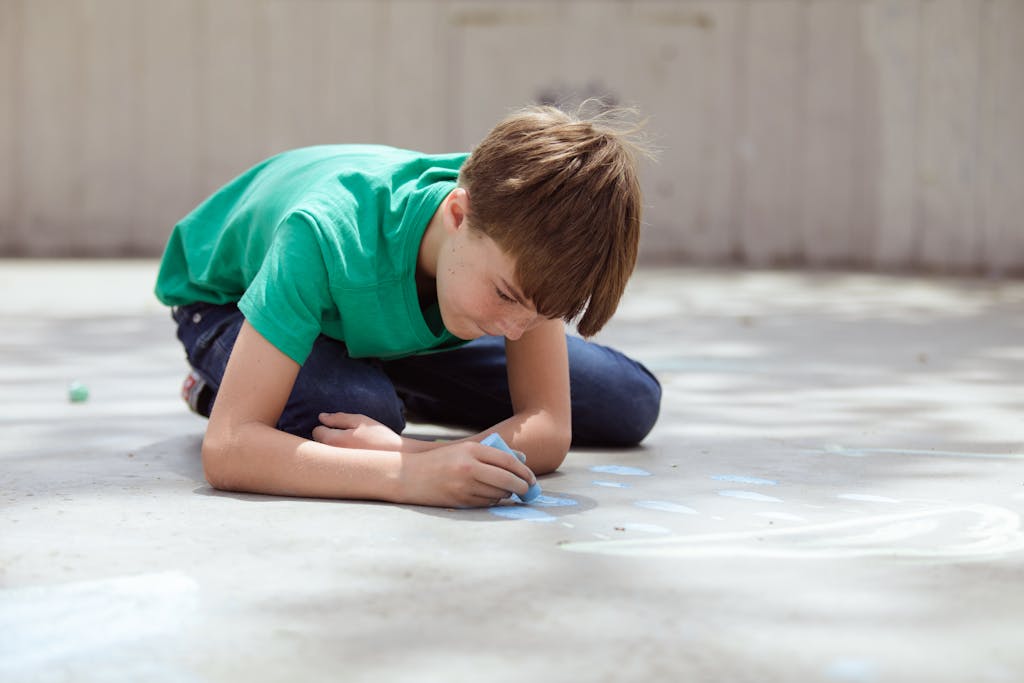
12. Chalk on the Sidewalk
Head outside and let your child write their name in big letters with sidewalk chalk.
Encourage them to decorate each letter for extra fun.
13. Dot Marker Names
Print your child’s name in bubble letters. Have them use dot markers or bingo daubers to fill in the letters.
Creative + no need for perfect handwriting yet!
14. Nature Letters

Take a nature walk and collect sticks, leaves, rocks, or flowers. Use the items to form each letter of your child’s name on the ground or a table.
This is a great opportunity to bring outdoor learning into name practice.
15. Yarn Name Tracing
Glue yarn onto the letters of your child’s name and let them trace over the yarn with their fingers.
This tactile approach helps them feel the shape of each letter.
16. Typing Practice
Use a basic word processor or keyboard game to help your child type their name. Let them choose fun fonts or colors.
Technology meets literacy in a simple way.
17. Dot Sticker Letters
Use circle dot stickers (like color coding dots) to form each letter of their name on a piece of construction paper.
You can pre-draw the letters for guidance.
18. Sensory Bags
Fill a zip-top bag with hair gel and glitter or beads. Seal it tightly (tape if needed). Let your child use a finger to trace their name on top of the bag.
Mess-free sensory writing!
19. Pom-Pom Letters
Outline your child’s name on a piece of paper and have them glue small pom-poms along the lines.
This is both crafty and educational—and great for focus!
20. Build-a-Name Craft
Cut out letter shapes in different colors or patterns and let your child glue them in the correct order to build their name on a piece of cardstock.
Add decorations or stickers for a name art masterpiece.
Make It a Routine
Incorporating name writing into your daily routine doesn’t have to feel repetitive. Try rotating through different activities during the week or using a “Name of the Day” writing center. You can also integrate name writing into morning work, free play, or craft time.
Some additional ideas:
- Set up a “Name of the Week” bulletin board
- Use name cards at snack time or in pretend play areas
- Celebrate milestones like “First time writing it all alone!”
How to Support Struggling Writers
Not every child will take to name writing immediately—and that’s okay! Here are a few ways to support kids who need extra practice:
- Break it down: Focus on one letter at a time.
- Highlight the first letter: Start with capital first letters if it helps. Often times the capital letters are easier to form.
- Use hand-over-hand: Gently guide their hand to form the letters together.
- Praise the process: Celebrate effort, not just neatness.
For children with motor delays or learning differences, tools like pencil grips, slant boards, or adaptive tracing paper can make a big difference.
Free Printable Name Writing Resources
To make things even easier for you, consider using editable name practice printables. Many educators and homeschoolers use editable name tracing sheets where you can type in your child’s name and print personalized practice pages.
Look for resources that include:
- Tracing lines
- Dotted letters
- Rainbow writing templates
- Cut-and-paste name puzzles
Download our FREE editable name tracing worksheet bundle HERE!
Learning to write their name is a powerful step in a kindergartener’s journey. With a little creativity, encouragement, and these fun name writing practice activities, your child can build confidence and skills that will carry into reading and writing.
Remember: the goal isn’t perfect handwriting—it’s connection, consistency, and confidence. Keep it playful, keep it personal, and watch your child grow.