Amazing Social Studies Activities for Early Childhood
Social studies isn’t just about memorizing facts or studying maps, it’s about helping young children understand the world around them. In early childhood education, social studies concepts lay the foundation for essential lessons like community, identity, fairness, and geography in a fun, age-appropriate way.
Whether you’re teaching in a preschool classroom or homeschooling your little ones, you’ll love these amazing preschool social studies activities that are hands-on, meaningful, and perfect for young learners.
Why Social Studies Matters in Early Childhood Curriculum
You might be wondering, “Isn’t social studies a subject for older kids?” Not at all! In fact, early childhood is the perfect time to introduce the basics of:
- Family and community life
- Cultural traditions
- Geography and maps
- Rules and responsibilities
- Being responsible citizens
These early lessons help children develop empathy, a sense of identity, and an understanding of how they fit into the world – starting with their immediate surroundings in their home and community.
10 Amazing Social Studies Activities for Young Learners
Here are 10 developmentally appropriate hands-on activities that spark curiosity and help children explore real-world topics in simple and engaging ways.
1. My Family Book
What You’ll Need:
- Construction paper
- Photos or drawings of family members
- Markers, glue, and staples
What to Do:
Have children create a simple book about their families. Each page can feature one family member and a sentence or drawing about them. For example: “This is my mom. She reads me stories.”
Why It’s Great:
This activity supports identity development and helps children understand that every family is unique.
2. Classroom Jobs Chart
What You’ll Need:
- Chart paper or bulletin board
- Photos of students
- Job cards (line leader, calendar helper, weather reporter, etc.)
What to Do:
Assign classroom jobs each week and rotate them. Children learn about roles, responsibility, and cooperation.
Why It’s Great:
It introduces civic responsibility and helps children feel like important members of a group.
3. “Where I Live” Map Activity
What You’ll Need:
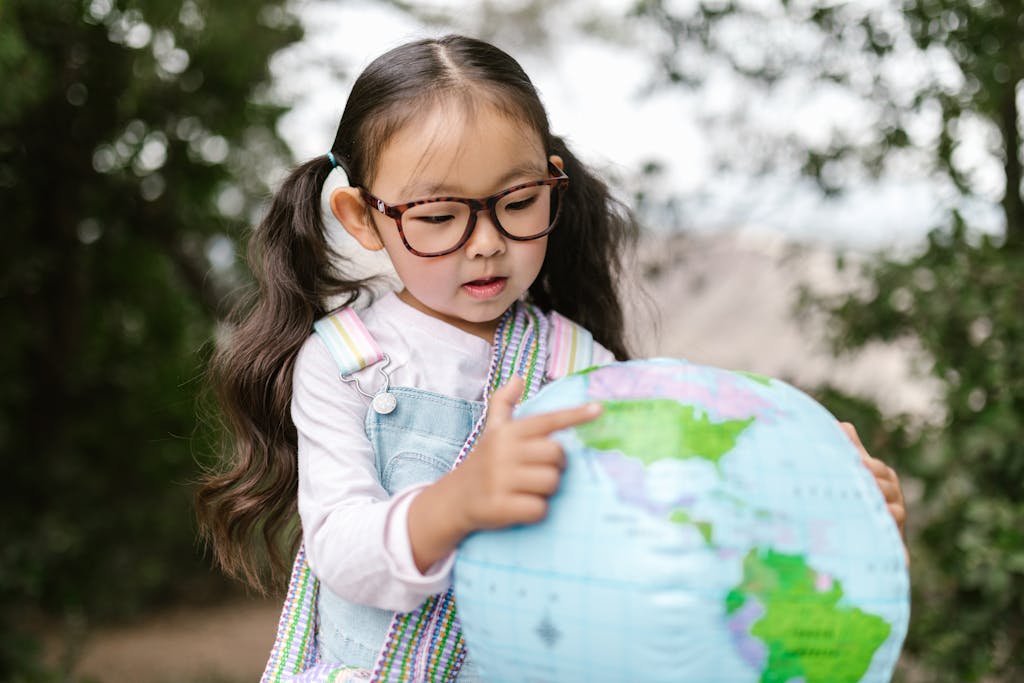
- Paper, crayons, or printable templates
- World map or globe
What to Do:
Start with the child’s home, then zoom out: their street, city, state, and country. Use visuals to help them grasp the idea of location and place.
Why It’s Great:
It’s a fun way to introduce basic geography and spatial awareness.
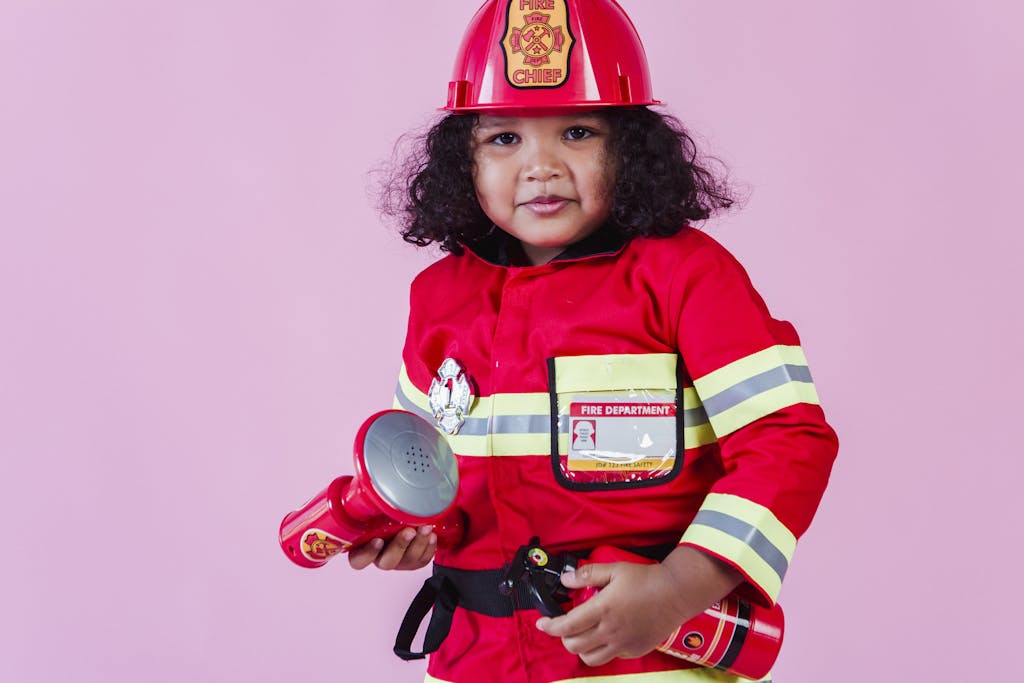
4. Community Helpers Dress-Up & Role Play
What You’ll Need:
- Dress-up clothes (doctor, mail carrier, firefighter, police officers, etc.)
- Props (toy tools, stethoscopes, mailbags, etc.)
What to Do:
Set up a dramatic play area with community helper outfits. Let kids role-play what these people do and how they help others.
Why It’s Great: It helps children understand the crucial role people have in the community and builds appreciation for helpers in everyday life.
5. Cultural Celebrations Around the World
What You’ll Need:
- Books about holidays from different cultures
- Craft supplies or foods related to those celebrations
What to Do:
Read about a new celebration each week (like Diwali, Chinese New Year, Hanukkah, or Día de los Muertos). Try a related craft, food, or song.
Why It’s Great:
It promotes cultural awareness, inclusion, and appreciation of diversity.
6. All About Me Posters
What You’ll Need:
- Poster board
- Markers, stickers, and personal photos
What to Do:
Let each child create a poster showing their name, age, favorite food, hobbies, and family. Present to the group!
Why It’s Great:
This fun activity builds confidence, helps children celebrate their uniqueness, and allows them to learn about each other.
7. Kindness Chain Activity
What You’ll Need:
- Paper strips
- Markers
- Stapler or glue
What to Do:
Each time a child does something kind (sharing, helping a friend), they add a link to the “kindness chain.” Watch it grow all month!
Why It’s Great:
It encourages positive behavior and introduces social responsibility in a visual, motivating way.
8. Weather Around the World
What You’ll Need:
- World map
- Daily weather chart
- Photos or videos from other climates
What to Do:
Explore how weather is different in places around the world. Compare snowy, rainy, and sunny locations. Discuss clothing and daily routines.
Why It’s Great:
It combines geography with real-world observation and helps children understand global diversity.
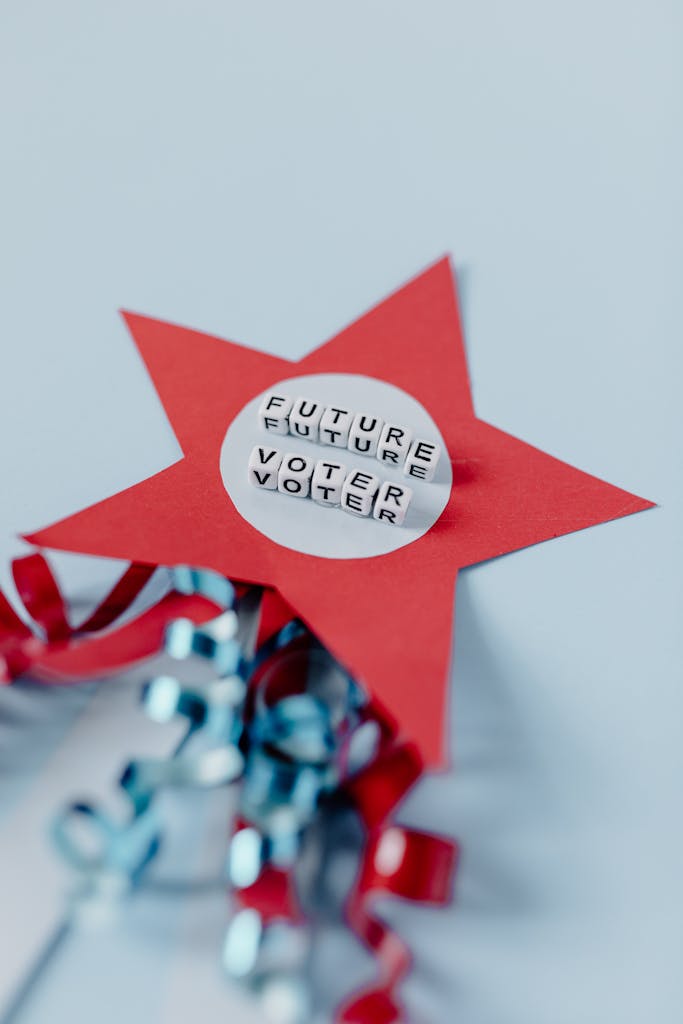
9. Voting in the Classroom
What You’ll Need:
- Ballot box or envelope
- Voting slips
- Two class choices (e.g., which book to read or snack to eat)
What to Do:
Introduce the idea of voting with a class decision. Have children vote, count results, and discuss the process.
Why It’s Great:
It’s a fantastic intro to democracy and helps children feel empowered in decision-making.
10. Create a Class Flag
What You’ll Need:
- Large paper or fabric
- Markers or paint
What to Do:
Talk about how countries and communities have flags. Let your students design a “class flag” with symbols that represent them (hearts for kindness, stars for friendship, etc.).
Why It’s Great:
It builds a sense of classroom community and introduces symbolism and national identity.
Tips for Teaching Social Studies in Early Childhood
- Keep it concrete: Use real-life examples, stories, and visuals.
- Use play-based learning: Dramatic play, crafts, and games are powerful teaching tools.
- Make it meaningful: Connect activities to the child’s world—family, school, and neighborhood.
- Celebrate diversity: Include books and activities that reflect many cultures.
- Repeat and revisit: Young children learn best through repetition and routine.
Preschool Social Studies Topic List for Early Childhood Educators
Not sure what to include in your curriculum? Here are some age-appropriate themes to rotate through the year:
- All About Me & My Family
- My Community & Helpers
- Rules, Fairness, and Responsibility
- Cultural Traditions
- Maps & Where We Live
- Basic Needs & Wants
- Our Environment
- Kindness & Friendship
- Celebrations Around the World
- Weather & Seasons
Include this Fourth of July Unit Study to your lesson on celebrations around the world!
Social studies in early childhood isn’t about tests or memorization. It’s about building a foundation for understanding the world in a joyful, age-appropriate way. Through storytelling, play, art, and hands-on exploration, young children can begin to grasp the beauty of community, culture, and citizenship.
Whether you’re teaching at home or in a classroom, incorporating these amazing social studies activities will help your little learners grow in empathy, awareness, and confidence as they explore the people and places around them.